Design Tips and Trends

Mulling over your stair projects design? Be in the know. Get inspiration with our designs, ranging from the classics, the contemporary, and the avant-garde.

Replacing Carpeted Stairs with Hardwood: What California Homeowners Should Know

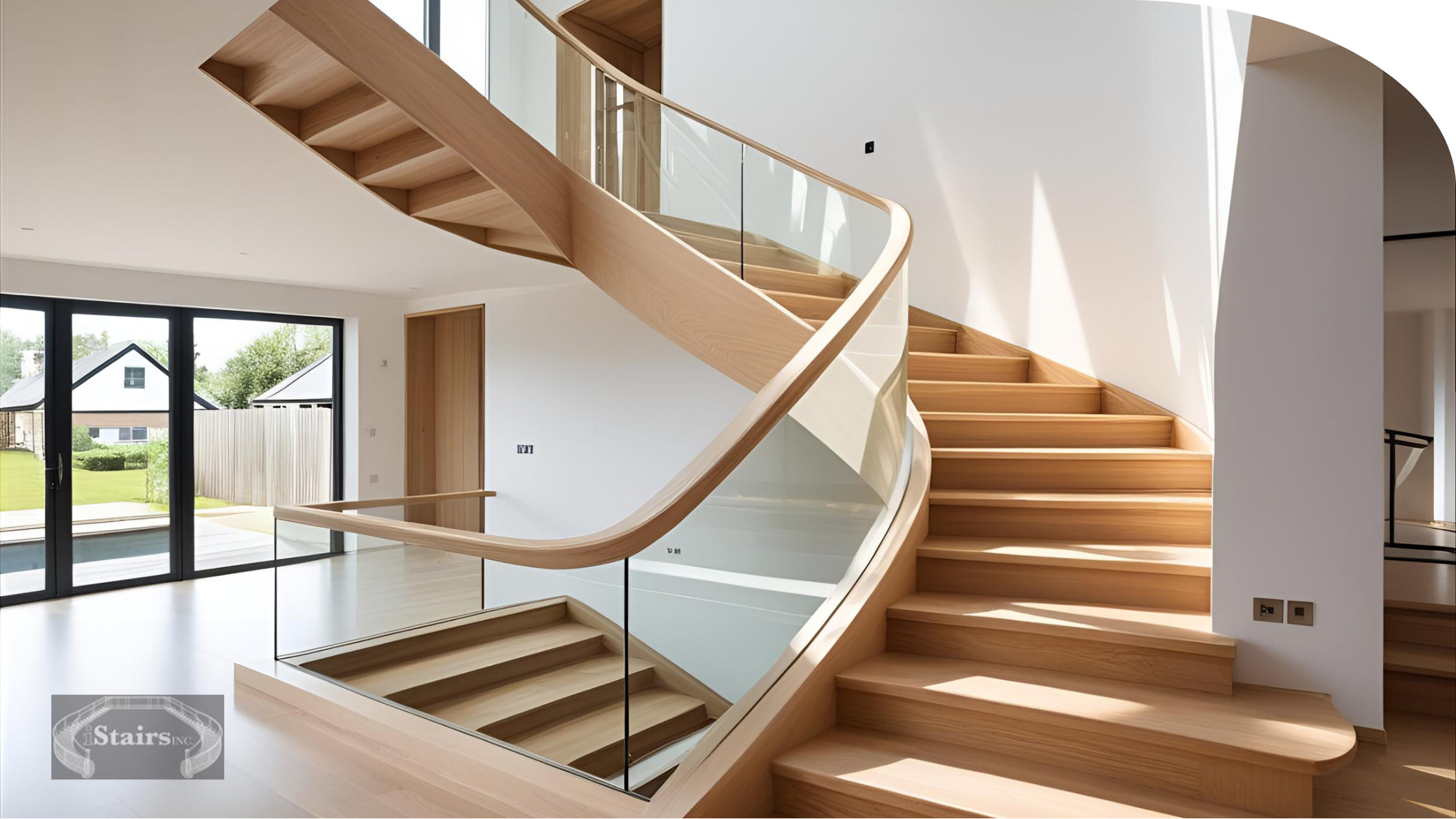
Carpeted stairs were a popular choice for decades. They muffle sound and feel soft underfoot, but they also trap dust and pet dander, wear out faster than carpet on flat floors, and tend to date a home once the rest of the interior has moved toward wood, tile, or luxury vinyl. It’s a common renovation question: can the carpet actually come off, and is hardwood underneath, or added on top, a realistic option?

The short answer is yes, in most cases. But a staircase carries more structural and safety responsibility than almost any other feature in a home, so the process takes more planning than swapping flooring in a bedroom. It’s also one of the first things people notice walking into a house, and a well-executed staircase remodel tends to read as a meaningful upgrade because it touches so much visible surface area for a relatively contained project.

Quick Answer

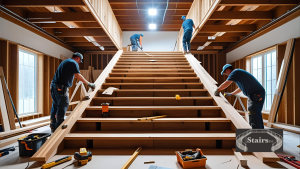
Yes, carpeted stairs can be replaced with hardwood. In many homes, solid wood treads already exist beneath the carpet and can be refinished. Where they don’t, or where the wood is damaged, new treads, risers, and stringers can be installed. The process typically involves removing the carpet and staples, assessing the subsurface, and either refinishing or replacing the treads and risers.

Can You Replace Carpeted Stairs With Hardwood?

In most homes with traditional wood-framed staircases, yes. Builders in the past frequently installed solid wood treads and risers, then covered them with carpet to save on finish costs or to match the design preferences of the time. Pulling back a section of carpet at the base of the stairs, or in a closet where the stringer is visible, usually reveals whether the wood underneath is finish-grade or construction-grade plywood.

If finish-grade treads are present and sound, refinishing is often the more economical route: strip the carpet and staples, sand the treads and risers, then stain and finish to match the rest of the home’s flooring. If the wood underneath is rough plywood, damaged, or uneven, new treads and risers need to be installed instead, which is common in homes where the builder never intended the stairs to be seen without carpet. Either path is workable, but it’s worth having a professional inspect the staircase first, since nail heads, water staining, and tread thickness variations are easy to miss and affect both cost and approach.

What Does the Process Involve?

Once carpet, padding, and staples are removed, the treads and risers are inspected for level, squareness, and soundness, and any squeaks are typically fixed by securing loose treads to the stringers with screws rather than the old nails.

If new treads and risers are needed, they’re cut to match the exact geometry of the existing stairs, since older homes rarely have uniform rise and run measurements from one step to the next. Pre-cut, big-box treads are built for standard dimensions, so forcing them onto a staircase with slight variations often results in gaps or steps that don’t quite match. A custom staircase approach works from the actual measurements of the existing structure instead. Once secured, the wood is sanded, stained, and sealed with a durable finish, often along with the stringers and skirtboard, so the whole staircase reads as one cohesive piece.

What Materials Work Best?

Wood species matters more on stairs than almost anywhere else in the home, since treads take repeated direct impact. Oak remains a common choice for its density and even stain uptake, which makes it easy to match existing hardwood floors. Maple offers a tighter, more contemporary grain, while cherry and alder bring warmer tones but are softer woods worth weighing against high-traffic wear.

Wood Species Hardness Best For
Oak High High-traffic homes, matching existing oak flooring
Maple High Clean, contemporary interiors
Cherry Medium Warm tones, traditional interiors
Alder Medium Rustic or transitional design, painted finishes

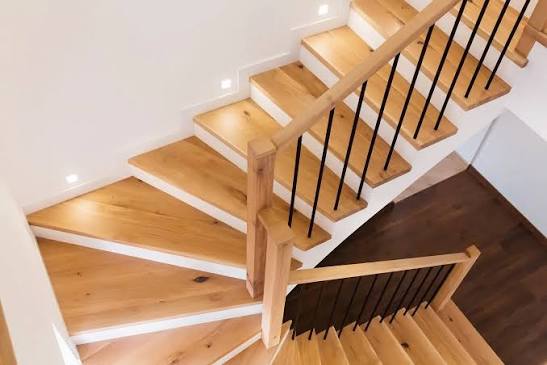
The renovation is also a natural time to reconsider the balusters and spindles , handrail , and newel posts, since these are usually replaced or refinished alongside the treads. Wrought iron balusters paired with hardwood treads have become popular in California homes for the contrast between dark metal and warm wood.

Is It Better to Remodel or Fully Replace a Staircase?

This depends on the condition of the existing structure. If the stringers and framing are sound and the layout already works well, a remodel that replaces the surface materials while keeping the underlying frame is usually the more efficient, less invasive path. A full staircase renovation that rebuilds the structure itself makes more sense when the stairs need to be reconfigured, widened, or moved, or when the existing framing has settled or been damaged over time. A contractor who inspects the framing before quoting the work will be able to tell you which category your project falls into.

Deciding What’s Right for Your Home

Applicable California and local building requirements should be considered during the design and installation process, particularly around handrail height, baluster spacing, and stair dimensions, especially in older homes built before current standards. Beyond code, the right approach comes down to what condition the wood underneath the carpet is in, whether the staircase layout works for how the home is used, and what look you’re going for. Browsing a before-and-after gallery of completed transformations is a useful way to see how a carpeted staircase looks once converted, and an in-person assessment is the most reliable way to get a clear picture of cost and timeline.

Frequently Asked Questions

Can carpeted stairs always be converted to hardwood?
In most homes, yes. Many staircases have finish-grade wood treads under the carpet that can be refinished. If the wood underneath is rough plywood or damaged, new treads and risers will need to be installed instead.

How long does the process take?
It depends on whether treads are being refinished or replaced. A straight refinish can often be done in a few days, while a full tread and railing replacement takes longer due to custom fabrication and finish curing time.

Do the stairs need to match the rest of the home’s flooring?
It’s not required, but many homeowners match the wood species and stain tone to existing floors for a cohesive look, though a complementary rather than identical match works fine too.

Is hardwood noisier than carpet on stairs?
Yes, hardwood stairs are louder underfoot. Runners or stair treads with a felt or rubber pad can be added on top to reduce noise while keeping the wood visible on the sides.

Ready to See What’s Under Your Carpet?

If you’ve been living with carpeted stairs and wondering what’s underneath, the best next step is having your staircase assessed in person. iStairs works with Northern California homeowners on everything from tread refinishing to full custom staircase builds. Browse the stair parts available to get a sense of options, or reach out directly to schedule a consultation.
Modern Stair Handrails & Balusters: Materials, Styles, and Code Safety

Handrails and balusters do more work in a home than most people give them credit for. They’re one of the first things a visitor’s hand touches walking in the door, they set the tone for a home’s overall style, and they’re also a load-bearing safety system that has to meet specific structural and spacing requirements. Because they sit at the intersection of design and safety, updating them is one of the most impactful changes a homeowner can make during a staircase renovation, and one of the easiest to get wrong if it’s approached as a purely cosmetic swap.

Whether the goal is replacing dated 1990s oak spindles with something more current, or simply making sure an older staircase is actually up to code before selling the home, understanding how handrails and balusters work together, structurally and visually, makes the renovation decisions much clearer.

Modern stair handrails and balusters are commonly made from wood, wrought iron, cable, or glass, often combined for contrast. Style trends favor cleaner lines and mixed materials over heavily ornate turned wood. Regardless of style, balusters must be spaced so a 4-inch sphere cannot pass between them, and handrails must meet minimum height and graspability requirements under applicable building codes.

Why Handrails and Balusters Matter in a Renovation

A staircase’s structure, its treads, risers, and stringers, tends to get most of the attention in a renovation, but the railing system is what people actually interact with every time they use the stairs. A dated, wobbly, or awkwardly proportioned railing can make an otherwise beautifully renovated staircase feel unfinished. On the safety side, railings are also one of the more common items flagged during home inspections, particularly in older houses where baluster spacing or handrail height was never brought up to current standards.

Because a staircase remodel usually touches the treads, railings, and balusters together, it’s worth thinking about all three as one connected system rather than upgrading the stairs and leaving the railing as an afterthought. A mismatched pairing, like a rustic hand-turned rail with sleek modern treads, tends to stand out for the wrong reasons.

What Materials Are Used for Modern Handrails and Balusters?

Wood remains the most common handrail material, largely because it’s warm to the touch and can be shaped into a wide range of profiles, from a simple rounded rail to a more substantial, squared-off modern profile. Oak, maple, and walnut are frequently used, both because they’re durable and because they can be stained to match existing hardwood floors or stair treads elsewhere in the home.

Wrought iron balusters have become one of the more popular pairings with wood handrails in contemporary California homes, largely because the contrast between dark metal and warm wood tones reads as current without being trend-dependent. Iron balusters also tend to hold up well over time, since they don’t chip, warp, or loosen the way some wood spindles can with seasonal humidity changes.

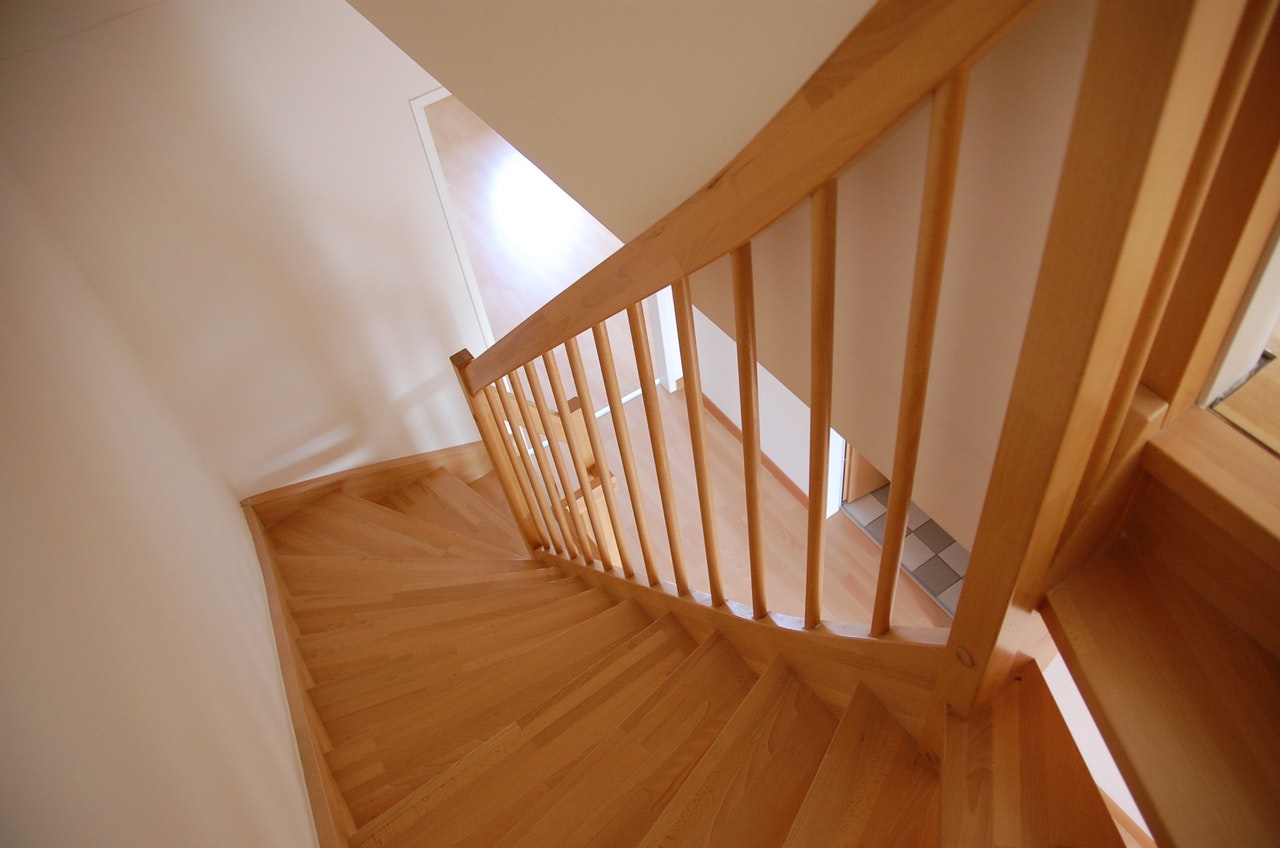
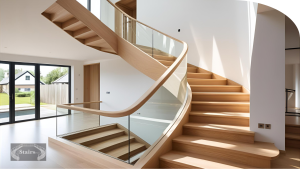
Cable railing systems, horizontal steel cables strung between posts, have grown in popularity for homes with a more minimalist or indoor-outdoor aesthetic, since they preserve sightlines and let light pass through the staircase more freely than a solid balustrade. Glass panel systems offer a similar open feel with a more polished, contemporary look, though they typically come at a higher cost than wood or iron.

Homeowners exploring options can browse the range of balusters and spindles and handrail profiles available to get a sense of how different materials and shapes pair together before committing to a direction.

What Are the Most Popular Modern Handrail Styles?

Modern handrail design has generally moved away from heavily ornate, hand-turned profiles toward cleaner, simpler lines. A few directions tend to come up most often in current renovations:

  • Square or rectangular wood rails, which read as more architectural and pair well with contemporary iron or cable balusters.
  • Traditional rounded profiles in a lighter or unstained finish, which keep a classic shape but feel more current than a heavily stained, dark-wood version.
  • Mixed-material rails, where a wood cap sits atop a metal or glass balustrade, combining the tactile warmth of wood with the openness of a lighter material below.

The right direction usually comes down to the rest of the home’s architecture. A rail style that looks sharp in a mid-century modern remodel may feel out of place in a traditional Craftsman home, so it’s worth choosing a profile that complements the home’s existing trim, doors, and flooring rather than picking a style in isolation.

What Are the Baluster Spacing and Handrail Code Requirements?

Baluster spacing is governed by what’s commonly called the 4-inch sphere rule: a sphere 4 inches in diameter should not be able to pass through any gap in the balustrade. This standard, drawn from the International Residential Code, exists primarily to prevent young children from slipping through or getting stuck between balusters, and it applies regardless of whether the balusters are wood, iron, or cable.

Handrails also have their own requirements, generally covering minimum and maximum mounting height, a graspable profile (rails that are too thick or too thin can be difficult to grip securely in a fall), and continuous, unbroken runs along the full length of the stairway. Applicable California and local building requirements should be considered during the design and installation process, since exact provisions can vary by jurisdiction and by whether a project is new construction or a renovation of an existing structure.

Because these requirements affect both safety and code compliance during resale, it’s worth having a contractor confirm spacing and height measurements as part of the design process rather than assuming an existing staircase already meets current standards, particularly in homes built before recent code updates.

Choosing Between a Full Railing Replacement and a Partial Update

Not every handrail and baluster renovation requires replacing the entire system. If the existing newel posts and railing structure are sound and code-compliant, sometimes only the balusters need to be swapped, for example replacing dated wood spindles with iron ones for a more current look without touching the rail or posts. In other cases, the handrail itself may be outdated or damaged while the balusters are fine, which allows for a rail-only replacement.

A full replacement makes more sense when the existing spacing doesn’t meet code, when the newel posts are structurally compromised, or when the overall style needs a more complete refresh to match a larger renovation elsewhere in the home. A contractor who inspects the existing railing system in person is typically better positioned to identify which parts can be reused and which need to be replaced, since some of these issues aren’t always visible without a close look at the connections and hardware.

Update Type Best For
Baluster swap only Sound rail and posts, outdated spindle style
Handrail replacement only Damaged or non-compliant rail, balusters still sound
Full railing system replacement Code issues throughout, major style change, structural wear

Deciding What’s Right for Your Staircase

The right approach depends on a combination of factors: the age and condition of the existing railing, whether it currently meets spacing and height requirements, and how much of a style change you’re looking for relative to the rest of the home. For homeowners planning a broader renovation, it often makes sense to finalize tread and flooring material choices first, since the handrail and baluster finish should complement, not compete with, the rest of the staircase.

Reviewing a before-and-after gallery of completed railing renovations can help clarify which material and style pairings tend to work well together in practice. From there, an in-person assessment is generally the most reliable way to confirm code compliance and get an accurate sense of scope before starting the project.

Frequently Asked Questions

What is the 4-inch sphere rule for balusters? It’s a common building code requirement stating that a sphere 4 inches in diameter must not be able to pass through any gap in a stair or balcony balustrade. It’s intended to prevent young children from slipping through or becoming stuck between balusters.

Can I mix wood and iron in a stair railing? Yes, mixing materials, such as a wood handrail with iron balusters, is one of the most common approaches in current stair design. It adds visual contrast while keeping the rail itself warm and comfortable to grip.

Do I need a permit to replace stair balusters? Permit requirements vary by jurisdiction and by the scope of the project. Since applicable local building requirements should be considered during design and installation, it’s worth checking with your local building department or contractor before starting the work.

Is cable railing a good option for stairs with kids or pets? Cable railing can be code-compliant with kids and pets when the cables are properly tensioned and spaced according to code, since the horizontal cables still need to meet the same sphere-passage requirements as balusters.

How do I know if my current handrail meets code? The most reliable way is to have a contractor measure the mounting height, check baluster spacing, and confirm the rail has a graspable profile with continuous, unbroken runs. Many older homes were built before current standards were adopted, so it’s common for an older rail to need updates.

Ready to Update Your Handrails and Balusters?

If your staircase’s railing feels dated, wobbly, or you’re not sure whether it meets current safety requirements, the most reliable next step is having it assessed in person. iStairs works with Northern California homeowners on everything from a simple baluster swap to a full railing system replacement, using real wood, iron, and cable materials rather than generic kits. Browse the full range of stair parts available, or reach out directly to schedule a consultation.
10 Signs It’s Time to Renovate Your Staircase

Your staircase is more than a way to move between floors. It is one of the first architectural features people notice when entering your home. A well-designed staircase adds character, improves functionality, and creates a lasting first impression.

However, many homeowners invest in new flooring, kitchens, and bathrooms while leaving an outdated staircase untouched. Over time, worn materials, changing design trends, and everyday use can make your stairs look tired and even become a safety concern.

If you are planning a home renovation, your staircase deserves just as much attention as the rest of your living space. Updating it can completely transform the appearance of your home while increasing comfort and value.

This guide explores ten clear signs that it may be time to renovate your staircase and explains how a professionally crafted custom staircase can become the centerpiece of your renovation.

Quick Answer

When should you renovate your staircase?

You should consider renovating your staircase if it shows signs of structural wear, outdated design, damaged treads, loose railings, excessive squeaking, or no longer complements your home’s style. A staircase renovation improves safety, enhances your home’s appearance, and can increase its resale value.

Closed Riser Stairs: Their Benefits

Stairs renovation

Why Homeowners Often Forget About Their Staircase

When planning a renovation, most people immediately think about kitchens, bathrooms, flooring, or paint colors. The staircase is often overlooked because it is seen as a functional feature rather than a design element.

In reality, your staircase connects multiple levels of your home and often occupies one of the most visible spaces. Whether located near the entryway or at the center of an open floor plan, it naturally draws attention.

An outdated staircase can make a beautifully renovated home feel unfinished. On the other hand, a custom staircase can tie together every design element, creating a cohesive and elegant look.

Sign #1: Your Stairs Squeak Every Time Someone Walks on Them

A squeaking staircase is one of the most common signs of wear.

Over time, wood naturally expands and contracts due to changes in humidity and temperature. This movement can loosen fasteners and create friction between stair components.

While occasional squeaks may seem harmless, persistent noise often indicates aging materials or structural movement that should be evaluated.

During a renovation, professionals can inspect the staircase, reinforce connections, replace worn components, and eliminate many of these issues while updating the overall design.

Sign #2: Your Staircase Looks Outdated

Interior design trends evolve over time.

A staircase built twenty or thirty years ago may include bulky balusters, heavy railings, dark finishes, or carpet that no longer fits your home’s style.

If you have recently renovated your kitchen, installed modern flooring, or updated your lighting, an outdated staircase can stand out for the wrong reasons.

Modern staircase renovations often feature:

  • Clean lines
  • Natural hardwood
  • White oak finishes
  • Glass railings
  • Horizontal metal balusters
  • Open concepts
  • Minimalist details

These updates create a brighter and more contemporary appearance without sacrificing functionality.

Sign #3: Your Railings Feel Loose

Safety should always come first.

Loose handrails or unstable balusters increase the risk of falls, particularly for children, older adults, and guests.

California building codes establish requirements for handrail height, spacing, and structural stability. If your existing staircase no longer meets modern standards, a renovation provides the perfect opportunity to improve safety while enhancing aesthetics.

Professional installation ensures every component is securely fastened and built to last.

Sign #4: Your Stair Treads Show Visible Wear

Daily foot traffic naturally wears down stair treads over time.

Look for signs such as:

  • Deep scratches
  • Cracks
  • Splinters
  • Uneven surfaces
  • Worn finishes
  • Water damage

These issues affect both appearance and safety.

Replacing damaged treads with premium hardwood instantly refreshes the staircase while extending its lifespan.

Sign #5: Your Staircase Doesn’t Match Your Renovated Home

Many homeowners invest in beautiful hardwood flooring, fresh paint, updated lighting, and modern furniture.

Unfortunately, the staircase often remains exactly as it was years earlier.

This creates an obvious visual disconnect.

Your staircase should complement surrounding materials rather than compete with them.

Matching hardwood species, stain colors, and railing finishes creates a seamless transition throughout your home.

Sign #6: Your Stairs Are Covered in Old Carpet

Carpeted staircases were once extremely popular.

Today, many homeowners choose hardwood instead.

Hardwood stairs offer several advantages:

  • Easier to clean
  • Better for allergy sufferers
  • Longer lifespan
  • Modern appearance
  • Increased durability
  • Greater resale appeal

Replacing old carpet with custom wood treads instantly elevates the appearance of your interior.

Sign #7: You Want More Natural Light

Traditional staircases with heavy wood railings can make entryways feel darker and more enclosed.

Modern renovations often introduce:

  • Glass panels
  • Open risers
  • Slim metal balusters
  • Light-colored hardwood

These design choices allow natural light to travel freely throughout the home, creating a brighter and more spacious environment.

Sign #8: You’re Remodeling the Rest of Your Home

If you are already renovating your home, this is the ideal time to update your staircase.

Construction teams already have access to the work area, making the renovation process more efficient.

Updating your staircase during a larger remodel also allows designers to coordinate flooring, trim, paint colors, lighting, and architectural details for a unified result.

Sign #9: Your Family’s Needs Have Changed

Homes evolve along with the people who live in them.

Young families may prioritize safety features such as sturdy railings and slip resistant finishes.

As children grow, homeowners often seek more open designs and improved aesthetics.

Retirees may prefer enhanced lighting, wider handrails, or improved accessibility.

Renovating your staircase allows it to better serve your family’s current lifestyle.

Sign #10: You Want to Increase Your Home’s Value

A staircase is one of the few architectural features that buyers immediately notice.

An attractive staircase communicates quality craftsmanship and attention to detail.

While every real estate market is different, modern staircase renovations often improve buyer perception because they contribute to the overall appearance and functionality of the home.

Instead of simply replacing worn materials, homeowners are investing in statement staircases that become focal points.

Should You Refinish or Replace Your Staircase?

The answer depends on the condition of the existing structure.

Refinishing may be the right choice if:

  • The structure is solid.
  • Damage is mostly cosmetic.
  • You want to update the finish.

Replacement may be recommended if:

  • The staircase has structural issues.
  • You want a completely different design.
  • The layout no longer works.
  • The staircase no longer meets current building standards.

An experienced staircase professional can evaluate your existing stairs and recommend the most appropriate solution.

Popular Staircase Renovation Ideas

Looking for inspiration? These upgrades remain popular among California homeowners:

White Oak Hardwood

Timeless, durable, and versatile.

Glass Railings

Perfect for contemporary homes and maximizing natural light.

Black Metal Balusters

A clean, modern look that pairs beautifully with hardwood.

Floating Staircases

Ideal for open concept renovations.

Custom Wood Handrails

A handcrafted detail that adds warmth and elegance.

Mixed Materials

Combining wood, steel, and glass creates a sophisticated architectural statement.

Frequently Asked Questions

How long does a staircase renovation take?

Most projects are completed within several weeks, depending on the complexity of the design, fabrication, and installation.

Can I renovate my staircase without replacing everything?

Yes. Some staircases only require new treads, railings, balusters, or refinishing, while others benefit from a complete redesign.

Is hardwood better than carpet?

Many homeowners prefer hardwood because it is durable, easy to maintain, and complements a wide range of interior styles.

Will renovating my staircase increase my home’s value?

A professionally renovated staircase can enhance the overall appearance of a home and improve its appeal to potential buyers.

What wood is best for stair renovations?

White Oak, Red Oak, Maple, and Walnut are among the most popular choices due to their durability and timeless appearance.

Can my staircase match my new flooring?

Absolutely. One of the advantages of a custom renovation is the ability to coordinate wood species, stain colors, and finishes for a seamless design.

Transform Your Home with a Custom Staircase Renovation

A staircase renovation is about more than replacing old materials. It is an opportunity to redefine one of the most important architectural features in your home.

Whether your goal is to improve safety, modernize your interior, or create a stunning focal point, a thoughtfully designed custom staircase can completely change how your home looks and feels.

At iStairs, we specialize in designing and building custom staircases that combine exceptional craftsmanship, premium materials, and timeless design. Every project is tailored to complement your home’s architecture while meeting California building standards.

If you’re planning a renovation, now is the perfect time to reimagine your staircase.

Contact iStairs today to schedule a consultation and discover how a custom staircase can transform your home.

Custom Wood Stairs vs. Engineered I-Stairs: Understanding Fire Safety

When you are investing in a property upgrade, understanding industry terminology is essential—especially when it comes to the safety and structural integrity of your home.

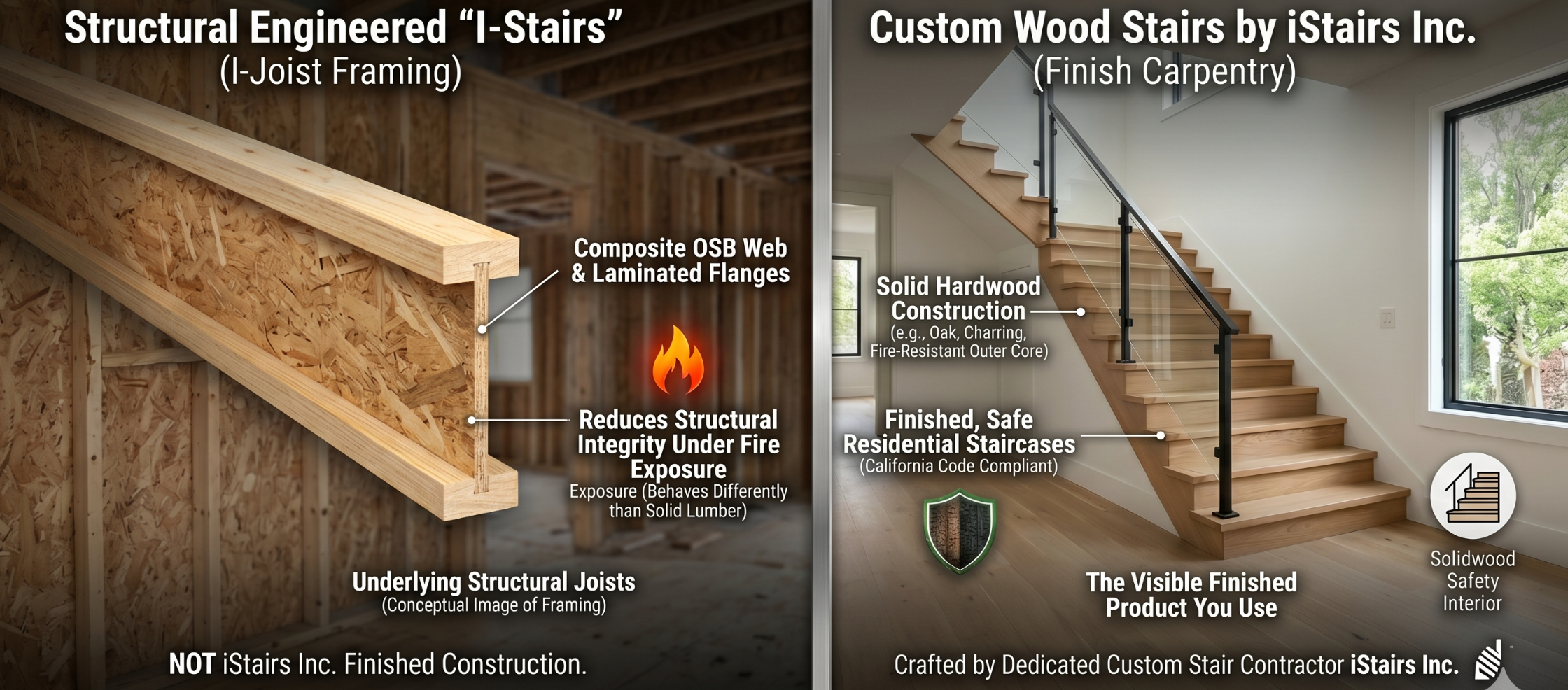
Because our company name is iStairs Inc., homeowners and builders sometimes ask us about the fire safety of “engineered I-stairs” or I-joists. We want to be completely clear: we do not manufacture engineered structural framing. We are California’s premier custom stair contractor, specializing in the beautiful, solid wood finishes that you see and use every day.

To help you make the best, safest choices for your property, we have put together this FAQ to clear up the confusion between structural building terms and our specialized custom stair renovations.

FAQ: Understanding the Difference and Protecting Your Home

What is the difference between iStairs Inc. and engineered “I-stairs”? The difference is finish carpentry versus hidden rough framing.

  • iStairs Inc. (Our Brand): We design, build, and renovate custom wood stairs. We specialize in finish carpentry, meaning we install the solid, beautiful hardwoods for your treads, risers, and handrails.

  • Engineered “I-Stairs” / I-Joists (The Building Material): This is a generic construction term for the hidden framework holding up floors and staircases, made from lightweight, composite wood shaped like an “I”.

Why are engineered I-joists mentioned in fire safety discussions? Engineered I-joists are highly efficient and code-compliant for structural framing. However, because they are made from thinner, lightweight composite materials, they can burn and lose their structural integrity rapidly in a high-heat house fire. To meet modern fire safety standards, building codes often require this hidden engineered framing to be heavily protected by fire-resistant drywall or sprinkler systems.

How do custom wood stairs improve safety in a fire? Unlike lightweight composites, the heavy, solid hardwoods used in our residential staircases—such as solid oak, walnut, or maple—possess a natural resistance to fire.

When thick, solid wood is exposed to extreme heat, it develops a charred outer layer. This char insulates the inner core of the wood, significantly slowing down the burning process. This critical delay allows high-quality solid stair materials to maintain their strength longer, providing a safer escape route during an emergency.

Are your custom stairs compliant with California building codes? Absolutely. We take safety just as seriously as aesthetics. Every custom staircase we build and renovate is designed with strict code compliance in mind, ensuring your stairs meet all local California safety regulations for structural integrity, spacing, and durability.

Upgrade to Beautiful, Safe, Solid Wood Stairs Today

Your staircase is more than just a way to get from one floor to another—it is a central architectural feature and a vital safety route. You shouldn’t have to compromise between breathtaking design and peace of mind.

By choosing solid custom wood stairs, you are investing in timeless beauty, long-lasting durability, and proven material safety.

If you want to renovate your home or business stairs with premium, code-compliant materials, contact us today. Our expert finish carpenters are ready to transform your space with craftsmanship you can trust.

From Outdated to Modern: How Stair Renovations Are Transforming California Homes in 2026

Some of the most impactful home renovations don’t require changing an entire floor plan. In many Northern California homes, the staircase alone can completely influence how modern, open, and updated an interior feels.

As homeowners throughout Sacramento continue investing in interior upgrades during the 2026 remodeling season, stair renovations are becoming one of the most requested ways to modernize a home without undergoing a full reconstruction project.

Replacing outdated railings, worn finishes, or older baluster systems can dramatically transform the atmosphere of a space while preserving the existing staircase structure. At iStairs, many renovation projects focus on creating cleaner, brighter, and more contemporary stair systems that naturally blend with California interiors.


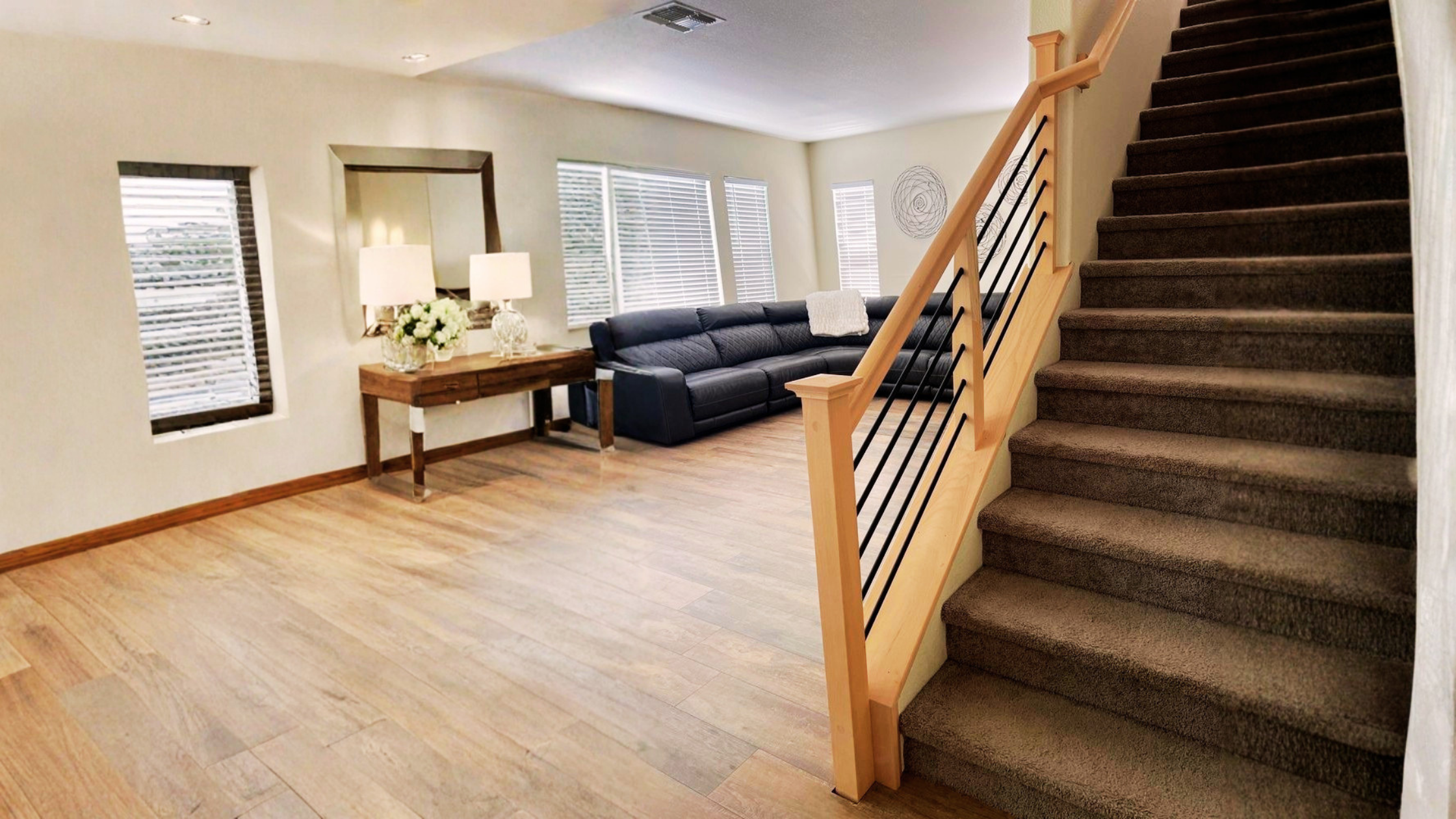
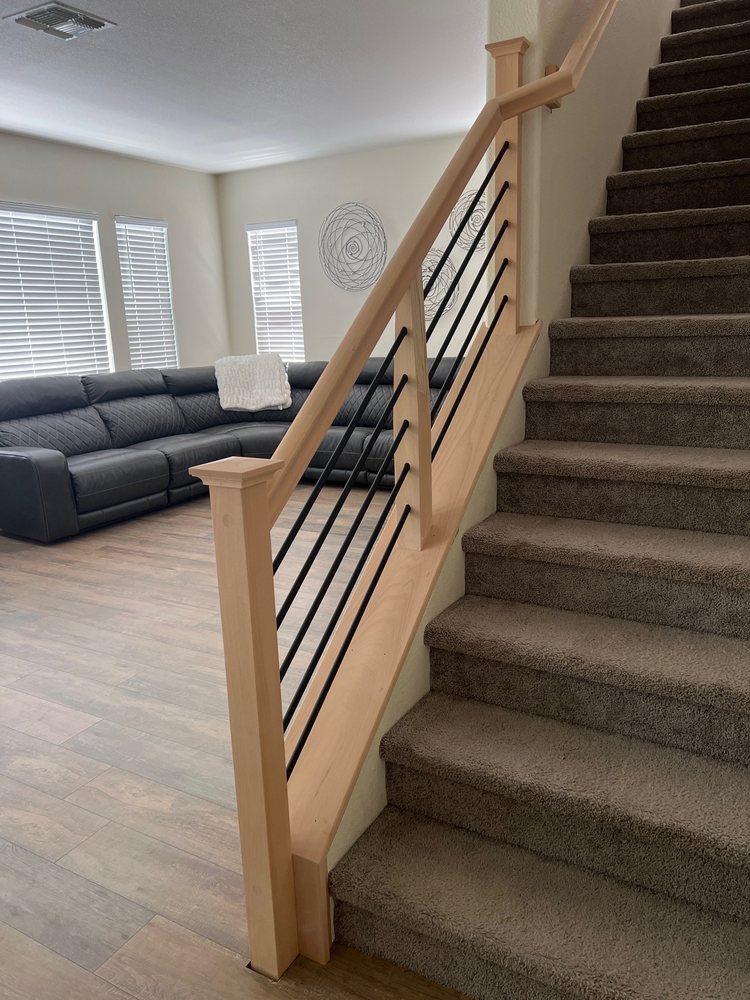
Modern stair renovation in Sacramento with natural wood railing and black horizontal balusters by iStairs


Why Stair Renovations Have Become So Popular in California

In 2026, California interior design trends continue moving toward warmer natural materials, lighter spaces, and simplified architectural details. Homeowners are increasingly replacing bulky traditional stair components with cleaner railing systems and updated wood finishes that feel more connected to modern living.

One of the biggest advantages of stair renovation is that even relatively small upgrades can create a dramatic visual difference throughout the home. Because staircases are often positioned near entryways, living rooms, and central hallways, updating the stairs immediately changes the way the surrounding space feels.

Projects that once focused only on kitchens and bathrooms are now extending into stair remodeling as homeowners recognize the impact a staircase has on the overall character of an interior.

If you’re considering updating an existing staircase, iStairs offers professional stair renovation services in Sacramento tailored to both traditional and modern homes.


Modern Railings Are Replacing Outdated Balusters

One of the most noticeable staircase trends in Northern California is the shift away from heavy traditional wood balusters toward cleaner and more contemporary railing systems.

Natural wood handrails combined with matte black horizontal balusters have become especially popular because they create contrast without overwhelming the space. The result feels modern, timeless, and architecturally clean while still maintaining warmth.

In many Sacramento homes built in the early 2000s, staircases were designed with darker finishes and visually heavy railing systems. Renovating these elements can instantly make interiors feel brighter and more updated without changing the staircase layout itself.

This type of transformation is especially appealing for homeowners who want a high visual impact while maintaining a practical renovation budget.


Stair Remodeling Creates a More Open Feeling

A well-designed staircase renovation doesn’t just improve appearance — it changes the visual flow of the home.

Modern railing systems allow more light to travel naturally through interior spaces, helping homes feel larger and less enclosed. This is particularly important in California homes where homeowners increasingly prioritize airy, open interiors that connect naturally with natural light.

Even homes with existing carpeted stairs can feel dramatically more contemporary when paired with updated railings and refined wood details.

For homeowners looking for larger structural or visual transformations, stair remodeling services in Sacramento can help completely redefine the look and feel of an existing staircase.


Summer Is the Perfect Time for Stair Renovations

May and June are among the busiest months for interior remodeling projects throughout Northern California. Longer daylight hours, stable weather conditions, and summer entertaining season make this one of the most practical times to complete staircase upgrades.

Many homeowners choose to renovate their stairs before:

  • hosting guests during summer
  • listing their homes for sale
  • completing larger interior refreshes
  • upgrading flooring throughout the house

Because staircases connect multiple living areas, even a moderate renovation can elevate the appearance of the entire home.


Creating a Staircase That Feels Custom to Your Home

The best stair renovations are never one-size-fits-all. Material selection, railing style, wood tone, and finish all play a role in creating a staircase that feels integrated with the architecture of the home itself.

Whether the goal is a subtle refresh or a full staircase transformation, thoughtful stair renovation can increase both visual appeal and long-term property value.

At iStairs, every project is designed around craftsmanship, functionality, and timeless California design aesthetics.

Ready to Modernize Your Staircase?

Whether you’re updating outdated railings, replacing worn stair components, or planning a full staircase transformation, iStairs provides custom renovation and remodeling solutions throughout Sacramento and Northern California.

Explore Our Services:

Request a Consultation

Visit iStairs.net to schedule a consultation and discover how a custom stair renovation can completely transform your home.

The 2026 Staircase Revolution: 5 Trends Redefining Sacramento Homes This Year

Why the Staircase is the New “Curb Appeal” in 2026

As we move into 2026, the interior design world has reached a consensus: the entryway staircase is no longer a utility—it is a piece of architectural art. Real estate experts are calling 2026 the year of the “Statement Staircase,” with search interest for high-end stair remodels skyrocketing by over 400% this quarter.

For homeowners in Sacramento, staying ahead of these trends means more than just a beautiful home; it means a significant boost in property valuation. At iStairs, we are seeing a shift toward “Warm Minimalism” and “Invisible Intelligence.” Here is what you need to know to upgrade your home this year.

1. The Rise of “Dopamine Decor”: Bold Runners & Tiled Risers

One of the most explosive trends of 2026 is the move away from clinical, all-white stairs. Homeowners are now using their steps as a canvas for personality.

  • The Trend: Stair runner installations featuring bold patterns, jewel tones (emerald and deep walnut), and even “tiled risers” using Mediterranean or Art Deco patterns.
  • The Benefit: It adds instant texture and safety.
  • Pro Tip: Pair a patterned runner with our custom iron balusters for a high-contrast, modern-vintage look.

2. Sustainable “Quiet Luxury”: Raw Stone & Warm Woods

In 2026, “Quiet Luxury” has evolved. We are seeing a massive demand for cantilevered (floating) stairs made from raw, honest materials like honed limestone, travertine, and sustainably sourced white oak.

  • What’s Out: Highly polished, plastic-looking finishes.
  • What’s In: Natural grain textures and “living finishes” on metals that age gracefully over time.
  • Explore our Stair Gallery to see how we blend natural wood treads with modern engineering.

3. Invisible Intelligence: Smart Integrated Lighting

Safety has gone high-tech. Inspired by the smart home innovations seen at CES (Consumer Electronics Show) 2026, the hottest feature this year is motion-sensor pathfinder lighting.

  • The Tech: LED strips are now being recessed inside the handrails or underneath each tread. These are connected to your home’s AI ecosystem to illuminate gently as you approach.
  • The Safety Factor: This is the ultimate “aging-in-place” upgrade that doesn’t compromise on style.
  • Check our Staircase Maintenance & Safety page to see how we can retrofit your existing stairs with modern safety features.

4. Multifunctional “Social Stairs.”

With space at a premium, the area under the stairs is being completely reimagined for 2026. We are no longer just building closets; we are building:

  • Integrated Zen Courtyards: Glass balustrades paired with indoor “green pockets” beneath the steps.
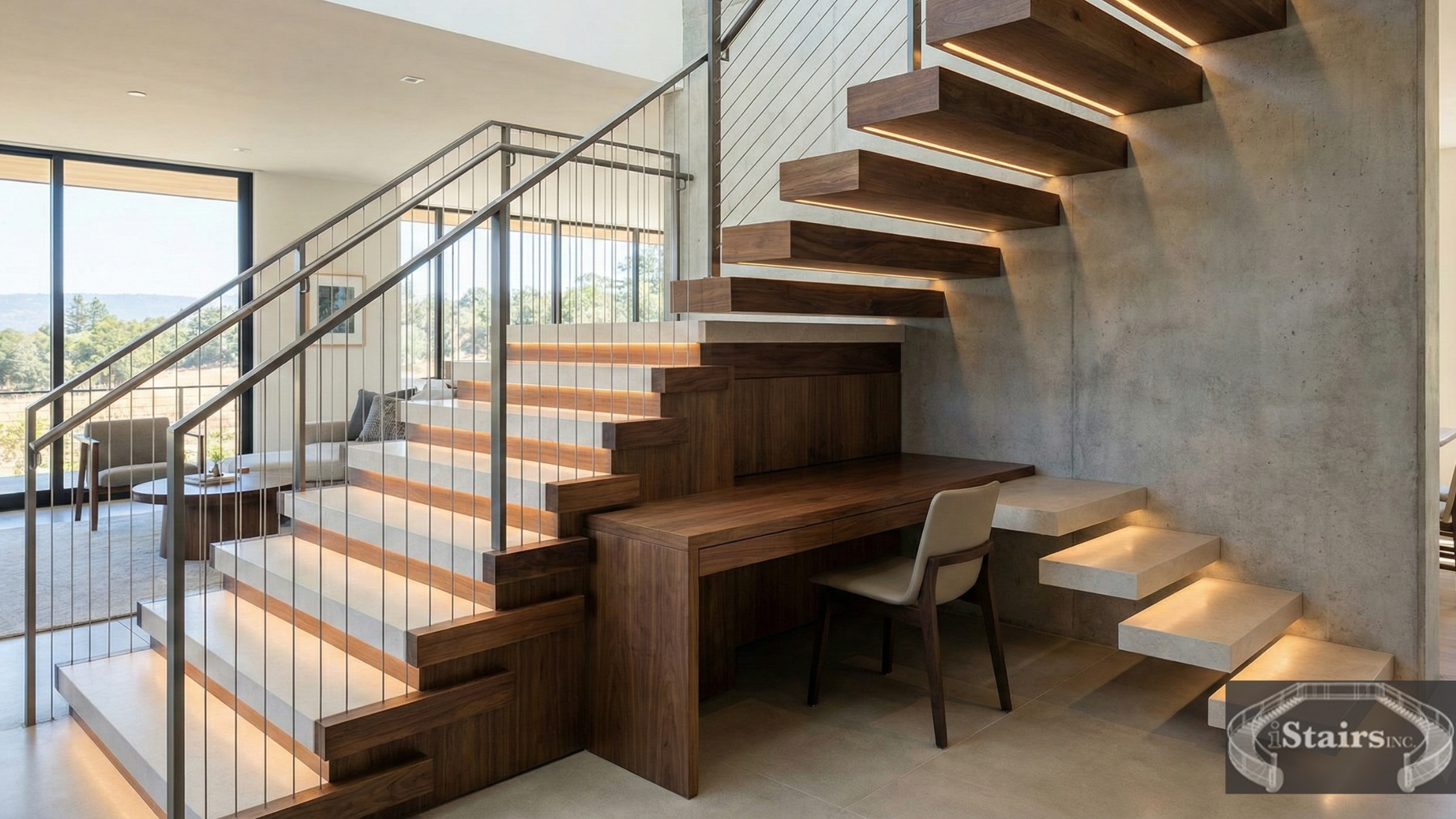
  • Floating Workstations: Minimalist desks that extend directly from the stair stringer.
  • Library Spirals: Custom shelving built into the curvature of spiral and helical staircases.

5. “Stair Jewelry” and Mixed Metal Finishes

Small details are making a big impact. We’ve seen a surge in requests for “stair jewelry”—decorative dust corners and brushed gunmetal or matte chrome brackets.

  • Design Shift: Brass is stepping aside for brushed steel and gunmetal, providing a more grounded, sophisticated feel to modern Sacramento renovations.

The complexity of 2026 designs—especially floating stone treads and integrated electronics—requires precision that a general contractor often cannot provide. At iStairs, we specialize in custom staircase design and installation, ensuring every project meets the strict 2026 California building codes while looking like a gallery piece.

Ready to Elevate Your Home?

Whether you want to increase your home’s resale value or finally build the “statement staircase” of your dreams, the experts at iStairs are ready to help.

Get a Free 2026 Design Consultation Today or visit our Sacramento showroom to see the latest materials in person.

How to Decorate Your Staircase for the Holidays: Winter Wonderland Banisters & Safety Tips

The holidays are nearly here, and nothing sets a festive mood quite like a stunning entryway. In many Northern California homes, your staircase is the first architectural feature your holiday guests see. Transforming your ordinary railing into a winter wonderland banister is the ultimate way to welcome the season.

As Northern California’s premier stair experts, iStairs knows that a truly spectacular display is built on two things: beautiful design and uncompromised safety.

Here is our ultimate guide to decorating your staircase for the holidays, complete with design trends, high-impact ideas, and essential safety checks to ensure your home is ready for all the increased foot traffic!

The Foundation: Safety First, Style Second

Before you hang a single bow, a professional contractor like iStairs will always prioritize the integrity of your structure—especially during the busy holiday season. More guests and heavier décor mean more stress on your handrails and newel posts.

Essential Holiday Staircase Safety Checks:

  1. Inspect Handrails and Newel Posts: Give your stair railing system a good shake. Are your main newel posts wobbly? Is the handrail loose where it attaches to the wall or the posts? Loose railings are dangerous, and the added weight of heavy garlands and lights can exacerbate the problem. If you feel any instability, stop decorating and contact a professional immediately. For our local clients, we offer quick repairs and handrail replacement services in Sacramento and the Bay Area.
  2. Ensure Clear Steps: Never place candles (even LED), fragile ornaments, or small decorative items directly on the stair treads. The steps must remain completely clear to prevent tripping hazards, especially when guests are carrying gifts.
  3. Choose Safe Lighting: Use low-heat, battery-operated, or high-quality LED lights. Ensure all extension cords are securely tucked away from foot traffic—ideally running along the floor trim or behind the bottom stringer/skirtboard—and plug them into outlets with GFCI protection.

Trending Holiday Staircase Décor for Northern California Homes

The best holiday décor complements your home’s existing style. Whether your home features rustic oak treads, modern cable railings, or traditional iron balusters, here are three major trends you can adopt.

1. The Classic Elegance Trend (Focus on Materials)

This look is timeless, formal, and focuses on rich, natural materials that complement traditional wood staircase designs.

  • The Greenery: Start with a thick pine garland. Instead of a light, faux strand, invest in high-quality, dense faux or fresh cedar and pine. Use natural materials like twine or zip ties (hidden by ribbon) to secure the garland to your wood handrail.
  • The Accents: Layer in textures. Weave in gold or bronze ribbons and add natural elements like dried oranges, pinecones, and red berries. This look pairs perfectly with classic wrought iron balusters or finely crafted white oak newel posts.
  • The Lighting: Use warm, white, twinkling fairy lights throughout the garland for a soft, inviting glow.

2. The Modern Minimalist Trend (Focus on Railings)

If your Northern California home boasts an open-concept design with sleek materials like steel, glass, or floating stair treads, your décor should be equally sharp and uncluttered.

  • The Greenery: Skip the thick garlands. Instead, opt for thin, elegant strands of Eucalyptus or silver dollar branches. Let the focus remain on the clean lines of your cable railing system or the transparency of your glass balustrade.
  • The Accents: Use monochromatic or metallic accents. Think sleek silver or champagne-colored ribbon, geometric ornaments, and minimalist white LED stars. The goal is to draw the eye to the architectural design, not hide it.
  • The Lighting: Under-tread lighting (integrated LEDs beneath floating stair treads) provides a futuristic, elegant glow that eliminates the need for any other distracting light strands.

3. The Rustic NorCal Farmhouse Trend (Focus on Texture)

Popular across the Bay Area and Sacramento foothills, this look emphasizes cozy, natural, and layered textures.

  • The Greenery: Use a mix of materials: burlap, plaid ribbons, and flocked (snow-dusted) pine. Add large clusters of vintage brass bells or custom newel post finials wrapped in flannel for a cozy feel.
  • The Landing: Utilize your staircase landing! Place large, rustic lanterns (with battery candles) and large-scale natural wood signs.
  • The Runner: This is the perfect place to introduce a staircase carpet runner. A runner in a deep plaid, neutral wool, or even a subtle herringbone pattern adds warmth, reduces noise, and protects your wood treads from heavy foot traffic during holiday gatherings.

Practical Tips for Decorating Your Banister Like a Pro

💡 Long-Tail Keyword Guide: Securing Garlands and Lights

  • Garland Placement: Don’t wrap your garland like a candy cane. For the most professional look, secure the garland to the underside of the handrail and let it drape naturally between each baluster or section of cable railing. This keeps the handrail itself mostly clear for actual use.
  • Hidden Attachment Points: Use floral wire or green zip ties to secure garland to the newel post at the base and top of the staircase. Conceal the attachment points with large, structural bows made from quality velvet or burlap ribbon.
  • Lights: The best technique for lights is to wrap them before you hang the garland. Weave the lights tightly into the base of the garland, ensuring the wires are completely hidden.

Is Your Northern California Staircase Ready for the New Year?

The holiday season is a high-risk time for staircases due to increased traffic, heavy décor, and inclement weather. If this is the year your old stair railing system finally needs an upgrade, iStairs is ready to help.

Whether you’re looking to transform your basic steps with new wood treads and risers, upgrade to sleek modern cable railings for a contemporary look, or install beautiful, safe staircase runners, our team serves clients across Sacramento, Folsom, Roseville, and the entire Bay Area.

We specialize in custom staircase solutions, ensuring your new design meets all local building codes and safety standards while providing the perfect architectural foundation for next year’s holiday décor.

📞 Ready to Step Up Your Home’s Style and Safety?

Don’t wait until after the holidays to address loose handrails or tired newel posts.

Click here to submit a bid request for your Northern California staircase renovation or repair project today, or call us at (844) 78247-48. 

How Much Does Stair Renovation Cost in California?

Staircases are more than just a functional part of your home—they’re a statement piece, a focal point, and often the first thing guests notice when they walk in. Whether you’re updating an outdated staircase or restoring worn-out steps, stair renovation is a smart way to elevate your interior and add long-term value. But one question always comes up: How much does stair renovation cost in California?

If you’re looking for a one-size-fits-all answer, you won’t find it here—and for good reason. At iStairs, we understand that every home and staircase is unique, which is why we offer custom quotes tailored to your space, materials, and design goals.


What Factors Influence Stair Renovation Costs?

There’s no flat fee when it comes to stair remodeling in California. Pricing varies widely depending on a variety of factors, including:

1. Staircase Type and Size

A straight staircase will generally be simpler and more affordable to renovate than a spiral, curved, or split-level staircase. The number of steps, landings, and overall height also play a role in labor and material costs.

2. Material Selection

Choosing between hardwood, iron, glass, or cable railings will have a big impact on the final price. For example, oak stair treads and wrought iron balusters offer a luxurious feel but come at a higher price point than carpeted or basic wooden options.

3. Structural Changes

Are you updating the look of your staircase or changing its structure entirely? Structural modifications—like widening stairs, altering the layout, or changing the railing system—require more labor and engineering, which adds to the cost.

4. Custom Features

Adding custom handrails, decorative newels, under-stair storage, or LED lighting increases both design appeal and total investment. However, these features also enhance functionality and can add resale value to your home.

5. Location & Accessibility

Homes in different parts of California may see varying pricing due to local labor rates, materials availability, and permitting requirements. Accessibility to the staircase also affects installation time and labor intensity.


Why California Homeowners Choose to Renovate Their Stairs

From Sacramento to San Jose, homeowners across California are investing in stair upgrades as part of larger interior remodels or to simply refresh their home’s aesthetics. Here’s why:

  • Boosting Curb Appeal: Modern staircases instantly upgrade the look of any home.

  • Safety & Code Compliance: Renovations ensure stairs meet updated building codes and improve safety.

  • Improving Functionality: Renovation allows you to add storage, improve durability, or adjust awkward designs.

  • Increasing Home Value: An updated staircase can significantly improve resale value and make your home more attractive to buyers.

Whether you’re prepping to sell or planning to stay for decades, investing in custom stair renovation is a smart move.


Popular Stair Renovation Options in California

At iStairs, we’ve worked with homeowners all over California to deliver stair systems that match their vision and budget. Some of the most popular renovation services we offer include:

  • Hardwood Stair Tread Replacement
    Swap out old carpet or laminate for elegant hardwood options like oak, maple, or walnut.

  • Wrought Iron Baluster Upgrades
    Replace traditional wooden spindles with sleek, modern iron balusters for a bold new look.

  • Open Riser Staircase Conversions
    Create a more spacious and airy feel with floating or open riser stair designs.

  • Custom Handrail Installation
    Choose from wood, metal, or mixed-material handrails to fit your aesthetic and safety needs.

  • Full Staircase Rebuilds
    From demo to design, we handle complete staircase overhauls tailored to your style and floor plan.


How iStairs Creates Custom Quotes for Every Project

We know you’re looking for transparency, expertise, and quality craftsmanship. That’s why we don’t offer cookie-cutter pricing. Instead, we follow a simple, personalized process:

  1. Consultation – We meet with you (virtually or on-site) to understand your vision, measure your space, and explore design ideas.

  2. Design Selection – You’ll choose materials, layouts, and finishes that match your budget and goals.

  3. Custom Quote – We provide a no-obligation estimate based on your specific needs, timeline, and location.

  4. Installation – Our experienced installers bring your staircase to life with precision and care.

Our goal is to provide top-tier stair renovation services across California, with a clear process and results that exceed expectations.

Why Choose iStairs for Your California Stair Renovation?

With years of experience, a passion for craftsmanship, and a reputation for reliability, iStairs is trusted by homeowners, designers, and builders across California. Here’s what sets us apart:

  • In-House Manufacturing: We build many of our stair components locally to ensure quality and reduce wait times.

  • Design Expertise: From traditional to ultra-modern, we help you achieve the exact look you want.

  • Turnkey Service: We manage everything—from removal to finishing—so you don’t have to juggle contractors.

  • Customer Satisfaction: Our team works with integrity and transparency at every step.


Ready to Get Started? Let’s Talk Stairs.

If you’re wondering how much your stair renovation project will cost, the best place to start is a free consultation with iStairs. Whether you’re aiming for a bold design transformation or a subtle style upgrade, we’re here to bring your staircase dreams to life—on time, on budget, and with expert precision.

Contact us today to schedule your consultation and receive a custom quote.
Serving homeowners across Sacramento, Roseville, Folsom, and surrounding areas.

iStairs—Where Style Meets Structure.

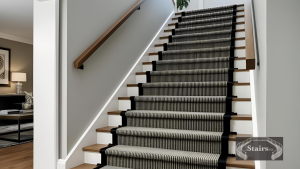
Statement Stair Runners: Patterns and Textures Making a Comeback


Staircases are more than functional structures that connect one floor to another. In recent years, homeowners and interior designers alike have come to see staircases as a key focal point in modern home design. One design element that’s taking center stage again? Statement stair runners. From bold patterns to textured materials, stair runners are making a major comeback in homes across the country—and for good reason.

At iStairs, we’ve seen a noticeable shift in how our clients want to express their style through their staircase designs. Statement stair runners allow for just that. Whether you’re going for timeless elegance or bold drama, a runner can completely transform the look and feel of your stairs.

Why Stair Runners Are Trending in 2025

Design trends are leaning heavily toward individuality, comfort, and style. Stair runners provide all three. Here’s why they’re showing up in more home renovation projects:

  1. Visual Impact: A patterned or textured stair runner acts as a design anchor, turning a once-overlooked stairway into a stunning centerpiece.
  2. Safety: Especially in homes with children, elderly residents, or pets, stair runners can provide better traction and reduce slip risks.
  3. Comfort and Acoustics: Runners add a layer of softness underfoot and help absorb sound, which is particularly beneficial in multi-level homes.
  4. Customization: With a wide range of materials, patterns, and textures, stair runners can be tailored to match any home aesthetic.

Popular Patterns Making a Comeback

When it comes to modern staircase remodeling, choosing the right stair runner pattern can set the tone for the entire space. Here are a few statement styles that are making waves in 2025:

1. Herringbone Stair Runners

This classic zigzag pattern adds sophistication and a touch of movement. It works well with both traditional and contemporary interiors, offering a timeless yet modern look.

2. Geometric Patterns

From hexagons to bold stripes, geometric patterns offer a clean, modern vibe. They’re a great way to add visual interest without overwhelming the space.

3. Animal Prints

Leopard, cheetah, and zebra prints are turning heads again. These bold prints create a luxurious and fun atmosphere, perfect for eclectic or high-style homes.

4. Textured Naturals

Materials like sisal, jute, and wool are being used to bring an organic feel to staircases. These textures add depth and a natural aesthetic that complements earthy, minimalist designs.

5. Bold Color Blocking

Color-blocked stair runners in vibrant tones are ideal for modern homes looking to make a statement. Think deep blues, rich greens, and warm terracottas.

How to Choose the Right Stair Runner for Your Home

Choosing the best stair runner isn’t just about the pattern—it’s also about function and lifestyle. Here are a few things to consider:

  • Material Durability: High-traffic staircases need durable materials like wool blends or nylon. Natural fibers like sisal offer great texture but may wear faster.
  • Maintenance: If you have kids or pets, go for stain-resistant or low-pile options that are easier to clean.
  • Installation Style: Stair runners can be installed Hollywood style (wrapped around the edge of each stair) or waterfall style (flowing straight down). Each has a unique look and feel.

At iStairs, we can walk you through each of these decisions and help you select a stair runner that complements your existing décor and fits your daily life.

Boosting Home Value with a Stylish Staircase

One of the best long-term benefits of installing a statement stair runner is its boost to your home’s value and appeal. A well-designed staircase with a stylish runner signals thoughtful design and high-end finishes—qualities that potential buyers notice.

If you’re considering a full staircase renovation or just want to add a new focal point, a stair runner is an excellent place to start. It offers a big design payoff without the need for a full structural remodel.

Let iStairs Help You Transform Your Staircase

Whether you’re interested in a bold new runner or a full staircase remodel, iStairs is here to help. Our team of experienced stair contractors has the skills and style-savvy expertise to bring your vision to life. We work with homeowners and business owners throughout California to create staircases that are both functional and beautiful.

Ready to make a statement? Contact us today to get started on your staircase renovation project. Call us or fill out our form on the Contact Us page and let us know how we can help bring your dream stairs to life.

Industrial-Style Staircases: Bold, Modern, and Built to Last

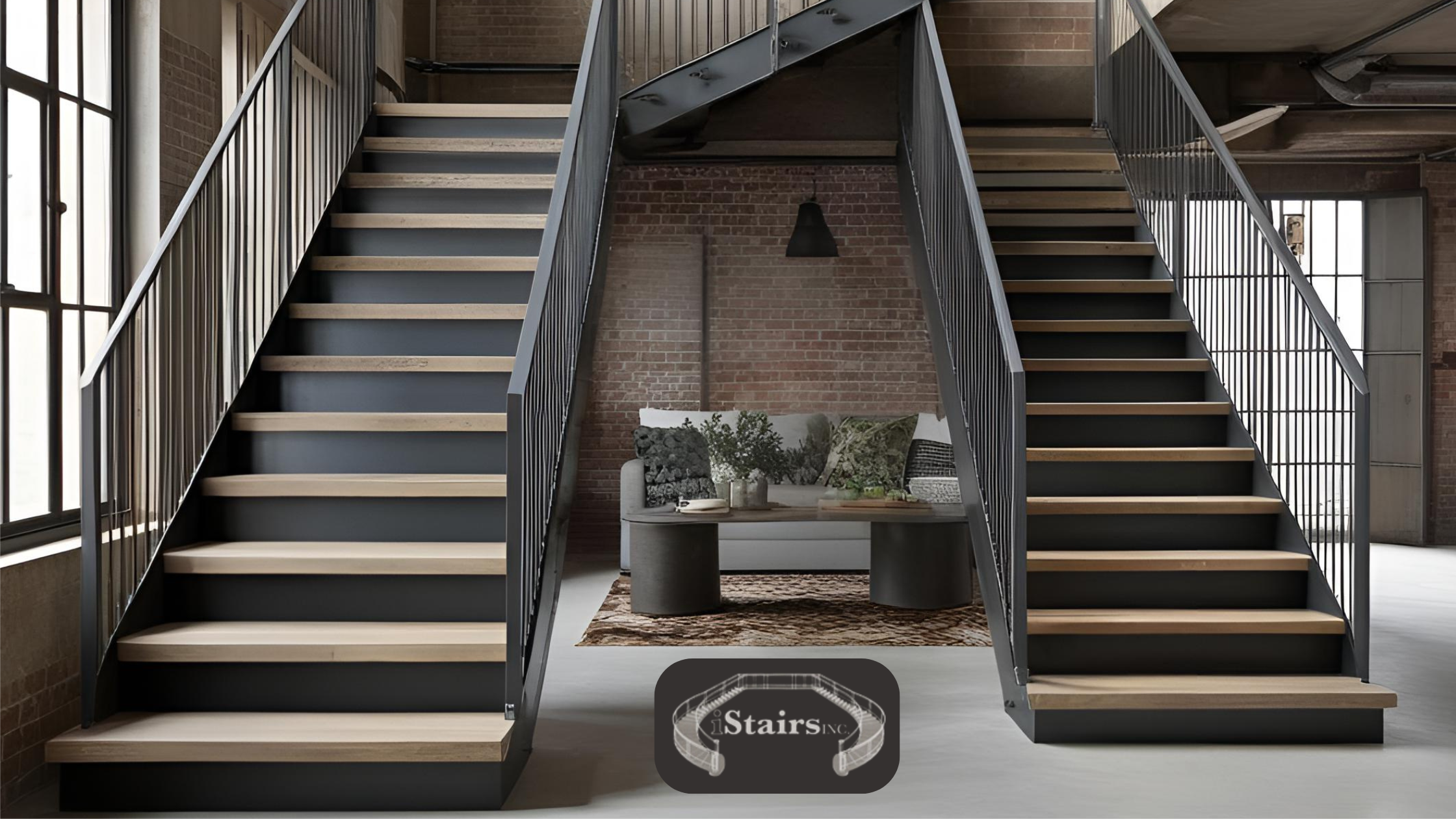
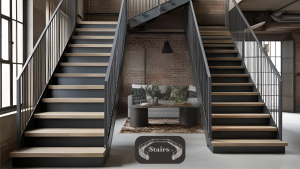
In today’s world of home design, industrial aesthetics are making a powerful impact—and staircases are no exception. Concrete and metal staircases offer a sleek, minimalist appeal while maintaining exceptional durability and strength. Whether you’re transforming a modern loft, urban condo, or contemporary home, an industrial-style staircase can become the perfect functional statement piece.

At iStairs, Inc., we specialize in designing and installing custom industrial staircases in Northern California. With over 30 years of experience, our expert team brings cutting-edge materials, skilled craftsmanship, and personalized service to every project. If you’re considering an industrial staircase remodel, we’re here to guide you every step of the way!

📞 Call 844-782-4748 or Request a Free Quote today to begin your staircase transformation.

The Rise of Industrial Aesthetics in Staircase Design

The industrial design movement draws inspiration from converted warehouses, urban lofts, and modern commercial spaces. It focuses on raw materials, clean lines, and neutral tones, making it a top choice for homeowners looking to create a bold yet timeless staircase.

A staircase remodel with an industrial flair typically incorporates

Concrete Steps – A durable, customizable material that adds a strong, modern touch.
Metal Railings & Frames – Sleek steel, iron, or aluminum elements provide a contemporary edge.
Open-Riser Designs – Creates an airy, spacious feel, enhancing natural light flow.
Minimalist Aesthetic – Prioritizing function and form for a clean, striking appearance.

Thinking about adding an industrial staircase to your home? iStairs offers fully customizable designs tailored to your space, style, and budget.

📞 Contact us at 844-782-4748 or get your free consultation today!

Why Choose Concrete and Metal for Your Staircase?

When it comes to modern staircase remodeling, concrete and metal stand out for their durability, low maintenance, and high design appeal. Here’s why homeowners are embracing these materials:

1. Exceptional Durability

Both concrete and metal staircases are built to withstand heavy foot traffic, resist wear and tear, and maintain structural integrity for decades. Unlike traditional wood staircases, they won’t warp, rot, or attract pests, making them a smart long-term investment.

2. Low Maintenance & Easy Upkeep

Busy homeowners love that industrial staircases require minimal maintenance.

Concrete: A simple wipe-down keeps it clean; sealants help prevent stains.
Metal: Resistant to rust and corrosion with proper coatings and care.

No more worrying about scratches, dents, or constant refinishing—industrial staircases stay looking sleek with little effort!

3. Bold, Customizable Designs

One of the biggest perks of concrete and metal staircases is their versatility. Whether you want:

A floating concrete staircase with steel railings for a sleek, modern look
A spiral metal staircase with industrial charm
A minimalist concrete-and-glass combo for an ultra-contemporary feel

The possibilities are endless! At iStairs, we help bring your vision to life with fully customizable staircase designs.

 Interested in upgrading your staircase? Schedule a free consultation today!

Industrial-Style Staircase Remodeling: Key Considerations

Before beginning your staircase remodel, it’s essential to plan your design, select the right materials, and work with experienced staircase contractors. Here’s what to keep in mind:

1. Design Planning & Space Considerations:

Evaluate Your Home’s Layout: Industrial staircases are best suited for open-concept homes, lofts, and contemporary interiors.
Decide on a Shape: Popular options include floating stairs, spiral staircases, and straight metal-frame designs.

Not sure which design is right for your home? Our iStairs experts will help you choose the perfect staircase to complement your space.

2. Material Selection for Maximum Impact:

Concrete Options: Choose from polished, stained, or textured finishes for a unique look.
Metal Choices: Opt for stainless steel, blackened steel, or wrought iron railings to enhance your aesthetic.

3. Prioritizing Safety Without Sacrificing Style:

While industrial designs emphasize clean lines and open spaces, safety is key. Consider:

Sturdy handrails for support
Non-slip coatings for concrete surfaces
Tempered glass or metal mesh panels for added security

At iStairs, we ensure your staircase meets all safety standards while maintaining a sleek, high-end look.

📞 Call us today at 844-782-4748 for expert guidance!

Maintaining Your Industrial Staircase: Pro Tips

To keep your concrete and metal staircase in top shape, follow these expert maintenance tips:

Regular Cleaning – Use mild soap and a damp cloth for concrete; polish metal railings periodically.
Prevent Staining – Apply a protective sealant to concrete surfaces.
Check for Rust or Cracks – Inspect your staircase annually and address any minor issues before they worsen.
Avoid Harsh Chemicals – Use gentle, pH-neutral cleaners to prevent surface damage.

With proper care, your industrial-style staircase will stay strong, stylish, and safe for years to come!

Upgrade Your Home with iStairs – Get Started Today!

A custom industrial staircase is more than just a way to move between floors—it’s a design statement, a functional investment, and a reflection of your style. At iStairs, we make your staircase remodeling vision a reality with expert craftsmanship, high-quality materials, and unmatched customer service

📞 Call 844-782-4748 or Request Your Free Quote Here!

Serving Sacramento, and surrounding Northern California regions.