Renovations

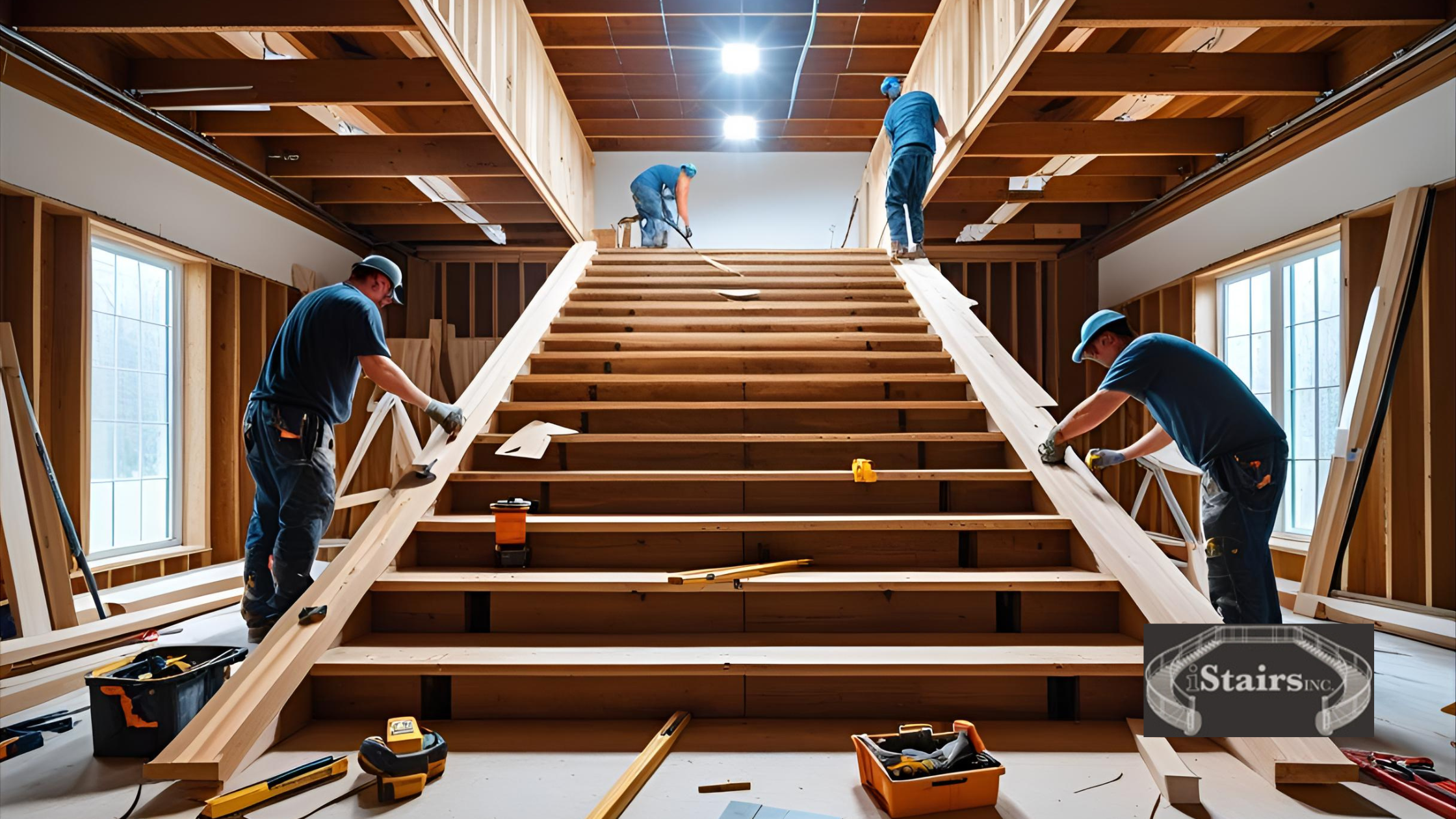
Renovating your staircase is a perfect way to spruce up your entryway; and while most people get a general idea on what they want to happen, it’s often best to read more and reassess your plans before starting your project. Our blog on renovations can give you a better idea on designs, costs, and safety of your stairs.

Replacing Carpeted Stairs with Hardwood: What California Homeowners Should Know

Carpeted stairs were a popular choice for decades. They muffle sound and feel soft underfoot, but they also trap dust and pet dander, wear out faster than carpet on flat floors, and tend to date a home once the rest of the interior has moved toward wood, tile, or luxury vinyl. It’s a common renovation question: can the carpet actually come off, and is hardwood underneath, or added on top, a realistic option?

The short answer is yes, in most cases. But a staircase carries more structural and safety responsibility than almost any other feature in a home, so the process takes more planning than swapping flooring in a bedroom. It’s also one of the first things people notice walking into a house, and a well-executed staircase remodel tends to read as a meaningful upgrade because it touches so much visible surface area for a relatively contained project.

Quick Answer

Yes, carpeted stairs can be replaced with hardwood. In many homes, solid wood treads already exist beneath the carpet and can be refinished. Where they don’t, or where the wood is damaged, new treads, risers, and stringers can be installed. The process typically involves removing the carpet and staples, assessing the subsurface, and either refinishing or replacing the treads and risers.

Can You Replace Carpeted Stairs With Hardwood?

In most homes with traditional wood-framed staircases, yes. Builders in the past frequently installed solid wood treads and risers, then covered them with carpet to save on finish costs or to match the design preferences of the time. Pulling back a section of carpet at the base of the stairs, or in a closet where the stringer is visible, usually reveals whether the wood underneath is finish-grade or construction-grade plywood.

If finish-grade treads are present and sound, refinishing is often the more economical route: strip the carpet and staples, sand the treads and risers, then stain and finish to match the rest of the home’s flooring. If the wood underneath is rough plywood, damaged, or uneven, new treads and risers need to be installed instead, which is common in homes where the builder never intended the stairs to be seen without carpet. Either path is workable, but it’s worth having a professional inspect the staircase first, since nail heads, water staining, and tread thickness variations are easy to miss and affect both cost and approach.

What Does the Process Involve?

Once carpet, padding, and staples are removed, the treads and risers are inspected for level, squareness, and soundness, and any squeaks are typically fixed by securing loose treads to the stringers with screws rather than the old nails.

If new treads and risers are needed, they’re cut to match the exact geometry of the existing stairs, since older homes rarely have uniform rise and run measurements from one step to the next. Pre-cut, big-box treads are built for standard dimensions, so forcing them onto a staircase with slight variations often results in gaps or steps that don’t quite match. A custom staircase approach works from the actual measurements of the existing structure instead. Once secured, the wood is sanded, stained, and sealed with a durable finish, often along with the stringers and skirtboard, so the whole staircase reads as one cohesive piece.

What Materials Work Best?

Wood species matters more on stairs than almost anywhere else in the home, since treads take repeated direct impact. Oak remains a common choice for its density and even stain uptake, which makes it easy to match existing hardwood floors. Maple offers a tighter, more contemporary grain, while cherry and alder bring warmer tones but are softer woods worth weighing against high-traffic wear.

Wood Species Hardness Best For
Oak High High-traffic homes, matching existing oak flooring
Maple High Clean, contemporary interiors
Cherry Medium Warm tones, traditional interiors
Alder Medium Rustic or transitional design, painted finishes

The renovation is also a natural time to reconsider the balusters and spindles , handrail , and newel posts, since these are usually replaced or refinished alongside the treads. Wrought iron balusters paired with hardwood treads have become popular in California homes for the contrast between dark metal and warm wood.

Is It Better to Remodel or Fully Replace a Staircase?

This depends on the condition of the existing structure. If the stringers and framing are sound and the layout already works well, a remodel that replaces the surface materials while keeping the underlying frame is usually the more efficient, less invasive path. A full staircase renovation that rebuilds the structure itself makes more sense when the stairs need to be reconfigured, widened, or moved, or when the existing framing has settled or been damaged over time. A contractor who inspects the framing before quoting the work will be able to tell you which category your project falls into.

Deciding What’s Right for Your Home

Applicable California and local building requirements should be considered during the design and installation process, particularly around handrail height, baluster spacing, and stair dimensions, especially in older homes built before current standards. Beyond code, the right approach comes down to what condition the wood underneath the carpet is in, whether the staircase layout works for how the home is used, and what look you’re going for. Browsing a before-and-after gallery of completed transformations is a useful way to see how a carpeted staircase looks once converted, and an in-person assessment is the most reliable way to get a clear picture of cost and timeline.

Frequently Asked Questions

Can carpeted stairs always be converted to hardwood?
In most homes, yes. Many staircases have finish-grade wood treads under the carpet that can be refinished. If the wood underneath is rough plywood or damaged, new treads and risers will need to be installed instead.

How long does the process take?
It depends on whether treads are being refinished or replaced. A straight refinish can often be done in a few days, while a full tread and railing replacement takes longer due to custom fabrication and finish curing time.

Do the stairs need to match the rest of the home’s flooring?
It’s not required, but many homeowners match the wood species and stain tone to existing floors for a cohesive look, though a complementary rather than identical match works fine too.

Is hardwood noisier than carpet on stairs?
Yes, hardwood stairs are louder underfoot. Runners or stair treads with a felt or rubber pad can be added on top to reduce noise while keeping the wood visible on the sides.

Ready to See What’s Under Your Carpet?

If you’ve been living with carpeted stairs and wondering what’s underneath, the best next step is having your staircase assessed in person. iStairs works with Northern California homeowners on everything from tread refinishing to full custom staircase builds. Browse the stair parts available to get a sense of options, or reach out directly to schedule a consultation.
Modern Stair Handrails & Balusters: Materials, Styles, and Code Safety

Handrails and balusters do more work in a home than most people give them credit for. They’re one of the first things a visitor’s hand touches walking in the door, they set the tone for a home’s overall style, and they’re also a load-bearing safety system that has to meet specific structural and spacing requirements. Because they sit at the intersection of design and safety, updating them is one of the most impactful changes a homeowner can make during a staircase renovation, and one of the easiest to get wrong if it’s approached as a purely cosmetic swap.

Whether the goal is replacing dated 1990s oak spindles with something more current, or simply making sure an older staircase is actually up to code before selling the home, understanding how handrails and balusters work together, structurally and visually, makes the renovation decisions much clearer.

Modern stair handrails and balusters are commonly made from wood, wrought iron, cable, or glass, often combined for contrast. Style trends favor cleaner lines and mixed materials over heavily ornate turned wood. Regardless of style, balusters must be spaced so a 4-inch sphere cannot pass between them, and handrails must meet minimum height and graspability requirements under applicable building codes.

Why Handrails and Balusters Matter in a Renovation

A staircase’s structure, its treads, risers, and stringers, tends to get most of the attention in a renovation, but the railing system is what people actually interact with every time they use the stairs. A dated, wobbly, or awkwardly proportioned railing can make an otherwise beautifully renovated staircase feel unfinished. On the safety side, railings are also one of the more common items flagged during home inspections, particularly in older houses where baluster spacing or handrail height was never brought up to current standards.

Because a staircase remodel usually touches the treads, railings, and balusters together, it’s worth thinking about all three as one connected system rather than upgrading the stairs and leaving the railing as an afterthought. A mismatched pairing, like a rustic hand-turned rail with sleek modern treads, tends to stand out for the wrong reasons.

What Materials Are Used for Modern Handrails and Balusters?

Wood remains the most common handrail material, largely because it’s warm to the touch and can be shaped into a wide range of profiles, from a simple rounded rail to a more substantial, squared-off modern profile. Oak, maple, and walnut are frequently used, both because they’re durable and because they can be stained to match existing hardwood floors or stair treads elsewhere in the home.

Wrought iron balusters have become one of the more popular pairings with wood handrails in contemporary California homes, largely because the contrast between dark metal and warm wood tones reads as current without being trend-dependent. Iron balusters also tend to hold up well over time, since they don’t chip, warp, or loosen the way some wood spindles can with seasonal humidity changes.

Cable railing systems, horizontal steel cables strung between posts, have grown in popularity for homes with a more minimalist or indoor-outdoor aesthetic, since they preserve sightlines and let light pass through the staircase more freely than a solid balustrade. Glass panel systems offer a similar open feel with a more polished, contemporary look, though they typically come at a higher cost than wood or iron.

Homeowners exploring options can browse the range of balusters and spindles and handrail profiles available to get a sense of how different materials and shapes pair together before committing to a direction.

What Are the Most Popular Modern Handrail Styles?

Modern handrail design has generally moved away from heavily ornate, hand-turned profiles toward cleaner, simpler lines. A few directions tend to come up most often in current renovations:

  • Square or rectangular wood rails, which read as more architectural and pair well with contemporary iron or cable balusters.
  • Traditional rounded profiles in a lighter or unstained finish, which keep a classic shape but feel more current than a heavily stained, dark-wood version.
  • Mixed-material rails, where a wood cap sits atop a metal or glass balustrade, combining the tactile warmth of wood with the openness of a lighter material below.

The right direction usually comes down to the rest of the home’s architecture. A rail style that looks sharp in a mid-century modern remodel may feel out of place in a traditional Craftsman home, so it’s worth choosing a profile that complements the home’s existing trim, doors, and flooring rather than picking a style in isolation.

What Are the Baluster Spacing and Handrail Code Requirements?

Baluster spacing is governed by what’s commonly called the 4-inch sphere rule: a sphere 4 inches in diameter should not be able to pass through any gap in the balustrade. This standard, drawn from the International Residential Code, exists primarily to prevent young children from slipping through or getting stuck between balusters, and it applies regardless of whether the balusters are wood, iron, or cable.

Handrails also have their own requirements, generally covering minimum and maximum mounting height, a graspable profile (rails that are too thick or too thin can be difficult to grip securely in a fall), and continuous, unbroken runs along the full length of the stairway. Applicable California and local building requirements should be considered during the design and installation process, since exact provisions can vary by jurisdiction and by whether a project is new construction or a renovation of an existing structure.

Because these requirements affect both safety and code compliance during resale, it’s worth having a contractor confirm spacing and height measurements as part of the design process rather than assuming an existing staircase already meets current standards, particularly in homes built before recent code updates.

Choosing Between a Full Railing Replacement and a Partial Update

Not every handrail and baluster renovation requires replacing the entire system. If the existing newel posts and railing structure are sound and code-compliant, sometimes only the balusters need to be swapped, for example replacing dated wood spindles with iron ones for a more current look without touching the rail or posts. In other cases, the handrail itself may be outdated or damaged while the balusters are fine, which allows for a rail-only replacement.

A full replacement makes more sense when the existing spacing doesn’t meet code, when the newel posts are structurally compromised, or when the overall style needs a more complete refresh to match a larger renovation elsewhere in the home. A contractor who inspects the existing railing system in person is typically better positioned to identify which parts can be reused and which need to be replaced, since some of these issues aren’t always visible without a close look at the connections and hardware.

Update Type Best For
Baluster swap only Sound rail and posts, outdated spindle style
Handrail replacement only Damaged or non-compliant rail, balusters still sound
Full railing system replacement Code issues throughout, major style change, structural wear

Deciding What’s Right for Your Staircase

The right approach depends on a combination of factors: the age and condition of the existing railing, whether it currently meets spacing and height requirements, and how much of a style change you’re looking for relative to the rest of the home. For homeowners planning a broader renovation, it often makes sense to finalize tread and flooring material choices first, since the handrail and baluster finish should complement, not compete with, the rest of the staircase.

Reviewing a before-and-after gallery of completed railing renovations can help clarify which material and style pairings tend to work well together in practice. From there, an in-person assessment is generally the most reliable way to confirm code compliance and get an accurate sense of scope before starting the project.

Frequently Asked Questions

What is the 4-inch sphere rule for balusters? It’s a common building code requirement stating that a sphere 4 inches in diameter must not be able to pass through any gap in a stair or balcony balustrade. It’s intended to prevent young children from slipping through or becoming stuck between balusters.

Can I mix wood and iron in a stair railing? Yes, mixing materials, such as a wood handrail with iron balusters, is one of the most common approaches in current stair design. It adds visual contrast while keeping the rail itself warm and comfortable to grip.

Do I need a permit to replace stair balusters? Permit requirements vary by jurisdiction and by the scope of the project. Since applicable local building requirements should be considered during design and installation, it’s worth checking with your local building department or contractor before starting the work.

Is cable railing a good option for stairs with kids or pets? Cable railing can be code-compliant with kids and pets when the cables are properly tensioned and spaced according to code, since the horizontal cables still need to meet the same sphere-passage requirements as balusters.

How do I know if my current handrail meets code? The most reliable way is to have a contractor measure the mounting height, check baluster spacing, and confirm the rail has a graspable profile with continuous, unbroken runs. Many older homes were built before current standards were adopted, so it’s common for an older rail to need updates.

Ready to Update Your Handrails and Balusters?

If your staircase’s railing feels dated, wobbly, or you’re not sure whether it meets current safety requirements, the most reliable next step is having it assessed in person. iStairs works with Northern California homeowners on everything from a simple baluster swap to a full railing system replacement, using real wood, iron, and cable materials rather than generic kits. Browse the full range of stair parts available, or reach out directly to schedule a consultation.
10 Signs It’s Time to Renovate Your Staircase

Your staircase is more than a way to move between floors. It is one of the first architectural features people notice when entering your home. A well-designed staircase adds character, improves functionality, and creates a lasting first impression.

However, many homeowners invest in new flooring, kitchens, and bathrooms while leaving an outdated staircase untouched. Over time, worn materials, changing design trends, and everyday use can make your stairs look tired and even become a safety concern.

If you are planning a home renovation, your staircase deserves just as much attention as the rest of your living space. Updating it can completely transform the appearance of your home while increasing comfort and value.

This guide explores ten clear signs that it may be time to renovate your staircase and explains how a professionally crafted custom staircase can become the centerpiece of your renovation.

Quick Answer

When should you renovate your staircase?

You should consider renovating your staircase if it shows signs of structural wear, outdated design, damaged treads, loose railings, excessive squeaking, or no longer complements your home’s style. A staircase renovation improves safety, enhances your home’s appearance, and can increase its resale value.

Closed Riser Stairs: Their Benefits

Stairs renovation

Why Homeowners Often Forget About Their Staircase

When planning a renovation, most people immediately think about kitchens, bathrooms, flooring, or paint colors. The staircase is often overlooked because it is seen as a functional feature rather than a design element.

In reality, your staircase connects multiple levels of your home and often occupies one of the most visible spaces. Whether located near the entryway or at the center of an open floor plan, it naturally draws attention.

An outdated staircase can make a beautifully renovated home feel unfinished. On the other hand, a custom staircase can tie together every design element, creating a cohesive and elegant look.

Sign #1: Your Stairs Squeak Every Time Someone Walks on Them

A squeaking staircase is one of the most common signs of wear.

Over time, wood naturally expands and contracts due to changes in humidity and temperature. This movement can loosen fasteners and create friction between stair components.

While occasional squeaks may seem harmless, persistent noise often indicates aging materials or structural movement that should be evaluated.

During a renovation, professionals can inspect the staircase, reinforce connections, replace worn components, and eliminate many of these issues while updating the overall design.

Sign #2: Your Staircase Looks Outdated

Interior design trends evolve over time.

A staircase built twenty or thirty years ago may include bulky balusters, heavy railings, dark finishes, or carpet that no longer fits your home’s style.

If you have recently renovated your kitchen, installed modern flooring, or updated your lighting, an outdated staircase can stand out for the wrong reasons.

Modern staircase renovations often feature:

  • Clean lines
  • Natural hardwood
  • White oak finishes
  • Glass railings
  • Horizontal metal balusters
  • Open concepts
  • Minimalist details

These updates create a brighter and more contemporary appearance without sacrificing functionality.

Sign #3: Your Railings Feel Loose

Safety should always come first.

Loose handrails or unstable balusters increase the risk of falls, particularly for children, older adults, and guests.

California building codes establish requirements for handrail height, spacing, and structural stability. If your existing staircase no longer meets modern standards, a renovation provides the perfect opportunity to improve safety while enhancing aesthetics.

Professional installation ensures every component is securely fastened and built to last.

Sign #4: Your Stair Treads Show Visible Wear

Daily foot traffic naturally wears down stair treads over time.

Look for signs such as:

  • Deep scratches
  • Cracks
  • Splinters
  • Uneven surfaces
  • Worn finishes
  • Water damage

These issues affect both appearance and safety.

Replacing damaged treads with premium hardwood instantly refreshes the staircase while extending its lifespan.

Sign #5: Your Staircase Doesn’t Match Your Renovated Home

Many homeowners invest in beautiful hardwood flooring, fresh paint, updated lighting, and modern furniture.

Unfortunately, the staircase often remains exactly as it was years earlier.

This creates an obvious visual disconnect.

Your staircase should complement surrounding materials rather than compete with them.

Matching hardwood species, stain colors, and railing finishes creates a seamless transition throughout your home.

Sign #6: Your Stairs Are Covered in Old Carpet

Carpeted staircases were once extremely popular.

Today, many homeowners choose hardwood instead.

Hardwood stairs offer several advantages:

  • Easier to clean
  • Better for allergy sufferers
  • Longer lifespan
  • Modern appearance
  • Increased durability
  • Greater resale appeal

Replacing old carpet with custom wood treads instantly elevates the appearance of your interior.

Sign #7: You Want More Natural Light

Traditional staircases with heavy wood railings can make entryways feel darker and more enclosed.

Modern renovations often introduce:

  • Glass panels
  • Open risers
  • Slim metal balusters
  • Light-colored hardwood

These design choices allow natural light to travel freely throughout the home, creating a brighter and more spacious environment.

Sign #8: You’re Remodeling the Rest of Your Home

If you are already renovating your home, this is the ideal time to update your staircase.

Construction teams already have access to the work area, making the renovation process more efficient.

Updating your staircase during a larger remodel also allows designers to coordinate flooring, trim, paint colors, lighting, and architectural details for a unified result.

Sign #9: Your Family’s Needs Have Changed

Homes evolve along with the people who live in them.

Young families may prioritize safety features such as sturdy railings and slip resistant finishes.

As children grow, homeowners often seek more open designs and improved aesthetics.

Retirees may prefer enhanced lighting, wider handrails, or improved accessibility.

Renovating your staircase allows it to better serve your family’s current lifestyle.

Sign #10: You Want to Increase Your Home’s Value

A staircase is one of the few architectural features that buyers immediately notice.

An attractive staircase communicates quality craftsmanship and attention to detail.

While every real estate market is different, modern staircase renovations often improve buyer perception because they contribute to the overall appearance and functionality of the home.

Instead of simply replacing worn materials, homeowners are investing in statement staircases that become focal points.

Should You Refinish or Replace Your Staircase?

The answer depends on the condition of the existing structure.

Refinishing may be the right choice if:

  • The structure is solid.
  • Damage is mostly cosmetic.
  • You want to update the finish.

Replacement may be recommended if:

  • The staircase has structural issues.
  • You want a completely different design.
  • The layout no longer works.
  • The staircase no longer meets current building standards.

An experienced staircase professional can evaluate your existing stairs and recommend the most appropriate solution.

Popular Staircase Renovation Ideas

Looking for inspiration? These upgrades remain popular among California homeowners:

White Oak Hardwood

Timeless, durable, and versatile.

Glass Railings

Perfect for contemporary homes and maximizing natural light.

Black Metal Balusters

A clean, modern look that pairs beautifully with hardwood.

Floating Staircases

Ideal for open concept renovations.

Custom Wood Handrails

A handcrafted detail that adds warmth and elegance.

Mixed Materials

Combining wood, steel, and glass creates a sophisticated architectural statement.

Frequently Asked Questions

How long does a staircase renovation take?

Most projects are completed within several weeks, depending on the complexity of the design, fabrication, and installation.

Can I renovate my staircase without replacing everything?

Yes. Some staircases only require new treads, railings, balusters, or refinishing, while others benefit from a complete redesign.

Is hardwood better than carpet?

Many homeowners prefer hardwood because it is durable, easy to maintain, and complements a wide range of interior styles.

Will renovating my staircase increase my home’s value?

A professionally renovated staircase can enhance the overall appearance of a home and improve its appeal to potential buyers.

What wood is best for stair renovations?

White Oak, Red Oak, Maple, and Walnut are among the most popular choices due to their durability and timeless appearance.

Can my staircase match my new flooring?

Absolutely. One of the advantages of a custom renovation is the ability to coordinate wood species, stain colors, and finishes for a seamless design.

Transform Your Home with a Custom Staircase Renovation

A staircase renovation is about more than replacing old materials. It is an opportunity to redefine one of the most important architectural features in your home.

Whether your goal is to improve safety, modernize your interior, or create a stunning focal point, a thoughtfully designed custom staircase can completely change how your home looks and feels.

At iStairs, we specialize in designing and building custom staircases that combine exceptional craftsmanship, premium materials, and timeless design. Every project is tailored to complement your home’s architecture while meeting California building standards.

If you’re planning a renovation, now is the perfect time to reimagine your staircase.

Contact iStairs today to schedule a consultation and discover how a custom staircase can transform your home.

How a Custom Staircase Can Completely Transform Your Home Renovation

A home renovation is an opportunity to create a space that reflects your style, improves functionality, and adds lasting value. While kitchens, bathrooms, and flooring often receive the most attention, one important feature is frequently overlooked: the staircase.

A staircase is much more than a functional structure connecting two levels. It is an architectural element that influences how every surrounding space feels. Whether guests enter through your front door or gather in your living room, the staircase naturally attracts attention and helps define the character of your home.

Replacing or renovating an outdated staircase can dramatically improve the appearance of your interior, creating a seamless connection between every room while making your renovation feel complete.

If you’re planning to remodel your home, this guide will help you understand why investing in a custom staircase can have one of the biggest visual impacts on your entire project.


Quick Answer

Should you replace your staircase during a home renovation?

If your staircase looks outdated, no longer matches your home’s style, or shows signs of wear, renovating it during a home remodel is one of the smartest investments you can make. A custom staircase improves safety, enhances aesthetics, increases functionality, and creates a stunning focal point that ties your entire renovation together.


Why Your Staircase Matters More Than You Think

Many homeowners think of their staircase as a purely functional feature.

In reality, it influences almost every aspect of your interior design.

A staircase affects:

  • Natural light
  • Traffic flow
  • First impressions
  • Interior style
  • Architectural balance
  • Property value

When thoughtfully designed, it becomes one of the most memorable features in your home.

Instead of blending into the background, a custom staircase creates a sense of craftsmanship and sophistication that elevates the entire space.


The Staircase Is Often the First Thing People Notice

Imagine walking into two different homes.

The first has beautiful hardwood floors, fresh paint, and modern furniture, but the staircase still has worn carpet, outdated railings, and aging finishes.

The second features the same renovations, but with a custom wood staircase, elegant railings, and carefully selected finishes that complement the flooring and trim.

Which home feels more complete?

The answer is obvious.

Because staircases occupy a central location in many homes, they naturally become part of the overall visual experience. Renovating this feature helps create harmony throughout the interior.


Create a Seamless Design Throughout Your Home

One of the biggest advantages of renovating your staircase is the ability to connect every design element.

A custom staircase can be designed to match:

  • Hardwood flooring
  • Interior doors
  • Baseboards
  • Window trim
  • Kitchen cabinetry
  • Wall colors
  • Lighting fixtures
  • Modern architectural details

This level of coordination creates a cohesive appearance that feels intentional rather than pieced together over time.


Replace Outdated Materials with Timeless Hardwood

Older staircases often include materials that no longer fit today’s design preferences.

Common examples include:

  • Worn carpet
  • Dark stained wood
  • Heavy decorative balusters
  • Glossy finishes
  • Builder-grade railings

Today’s homeowners often choose natural hardwood because it provides warmth, durability, and timeless beauty.

Popular hardwood choices include:

White Oak

A favorite for modern and transitional homes.

Its subtle grain and light color create a bright, inviting atmosphere.

Red Oak

Known for durability and classic appeal.

It works well in both traditional and contemporary interiors.

Maple

A dense hardwood with a smooth, clean appearance.

Ideal for busy households.

Walnut

A premium hardwood that adds richness and elegance to luxury homes.


Open Up Your Living Space

Modern renovations often focus on making interiors feel larger and brighter.

Your staircase can play an important role in achieving that goal.

Replacing bulky railings with more open designs allows light to move freely between rooms.

Popular options include:

  • Glass panels
  • Horizontal metal balusters
  • Slim wood balusters
  • Cable railings
  • Open risers

These features create the illusion of more space while maintaining safety and structural integrity.


Turn Your Staircase Into a Statement Piece

A staircase should not simply blend into the background.

Instead, it can become one of your home’s most distinctive architectural features.

Consider incorporating details such as:

  • Custom wood handrails
  • Decorative newel posts
  • Floating stair designs
  • Contrasting wood stains
  • Integrated lighting
  • Mixed wood and metal materials

Thoughtful design transforms an ordinary staircase into a conversation piece that reflects your personal style.

Match Your New Flooring

One of the most common renovation projects involves replacing old flooring.

Unfortunately, homeowners sometimes leave their staircase untouched, resulting in mismatched colors and materials.

A custom staircase can be designed using the same hardwood species and finish as your flooring, creating a natural transition between levels.

This consistency helps every room feel connected.


Improve Safety Without Sacrificing Style

A beautiful staircase should also provide confidence and security.

Modern staircase renovations often include:

  • Stronger handrails
  • Improved tread surfaces
  • Updated guardrails
  • Better lighting
  • Durable finishes
  • Code-compliant spacing

These improvements enhance everyday comfort while maintaining an elegant appearance.


Increase Natural Light Throughout Your Home

Natural light is one of the most desirable features in residential design.

Traditional staircases with heavy railings can block sunlight and make interiors feel smaller.

Modern staircase designs maximize brightness by incorporating:

  • Glass railings
  • Open risers
  • Light wood finishes
  • Minimalist balusters

The result is a home that feels brighter, more welcoming, and visually larger.


Personalize Every Detail

Unlike prefabricated stair systems, a custom staircase allows you to make every design decision.

You can choose:

Wood Species

White Oak, Walnut, Maple, Red Oak, and other premium hardwoods.

Stain Color

Natural finishes, warm browns, rich espresso tones, or custom colors.

Handrail Style

Traditional, transitional, or contemporary.

Balusters

Wood, steel, iron, cable, or glass.

Finishes

Matte, satin, or low-gloss protective coatings.

Every element is selected to complement your home’s architecture and your personal style.


Renovating Now Saves Time Later

If your home renovation already includes new flooring, painting, electrical work, or structural improvements, updating your staircase at the same time often makes the entire process more efficient.

Coordinating these projects allows contractors to:

  • Match materials accurately
  • Plan construction more efficiently
  • Reduce future disruptions
  • Maintain design consistency

Rather than completing another major renovation a few years later, everything comes together in one carefully planned project.


Why California Homeowners Choose Custom Staircases

Homeowners throughout California continue to embrace custom staircases because they combine craftsmanship with functionality.

Popular design trends include:

  • Light hardwood finishes
  • Open-concept layouts
  • Clean architectural lines
  • Black metal accents
  • Glass railings
  • Sustainable hardwood materials

These timeless choices complement a wide variety of home styles, from traditional residences to contemporary remodels.


Frequently Asked Questions

Is replacing a staircase worth it during a renovation?

Yes. Renovating your staircase while updating the rest of your home creates a more cohesive design and often improves both functionality and visual appeal.


Can a staircase really change the look of a house?

Absolutely. Because staircases are often located near the home’s entrance or main living areas, they have a significant impact on first impressions and overall interior design.


What is the most popular staircase style today?

Many homeowners prefer clean lines, hardwood treads, black metal balusters, glass railings, and light wood finishes that create an open and contemporary appearance.


Can my staircase match my hardwood flooring?

Yes. Custom staircases can be designed using the same wood species, stain color, and finish to create a seamless transition throughout your home.


Should I replace carpet on my stairs?

Many homeowners choose hardwood because it is easier to maintain, offers greater durability, and provides a timeless appearance that complements modern renovations.


How long does a staircase renovation take?

The timeline depends on the design and complexity of the project. Your staircase contractor can provide a schedule based on your home’s specific requirements.


Will a custom staircase increase my home’s value?

A professionally designed staircase enhances the appearance and functionality of a home, making it more attractive to potential buyers while contributing to the property’s overall appeal.


Complete Your Renovation with a Staircase That Makes an Impression

Every successful renovation is built around thoughtful design. While new flooring, updated lighting, and modern finishes all contribute to a beautiful home, your staircase is the feature that connects everything together.

A custom staircase adds warmth, craftsmanship, and architectural character while improving safety and functionality for years to come.

At iStairs, we believe every staircase should be as unique as the home it serves. Our team works closely with homeowners to design custom staircases that complement each renovation with premium hardwoods, exceptional craftsmanship, and attention to every detail.

If you’re planning a home renovation, now is the perfect time to transform one of the most important features in your home.

Contact iStairs today to schedule a consultation and discover how a custom staircase can elevate your next renovation project.

Custom Wood Stairs vs. Engineered I-Stairs: Understanding Fire Safety

When you are investing in a property upgrade, understanding industry terminology is essential—especially when it comes to the safety and structural integrity of your home.

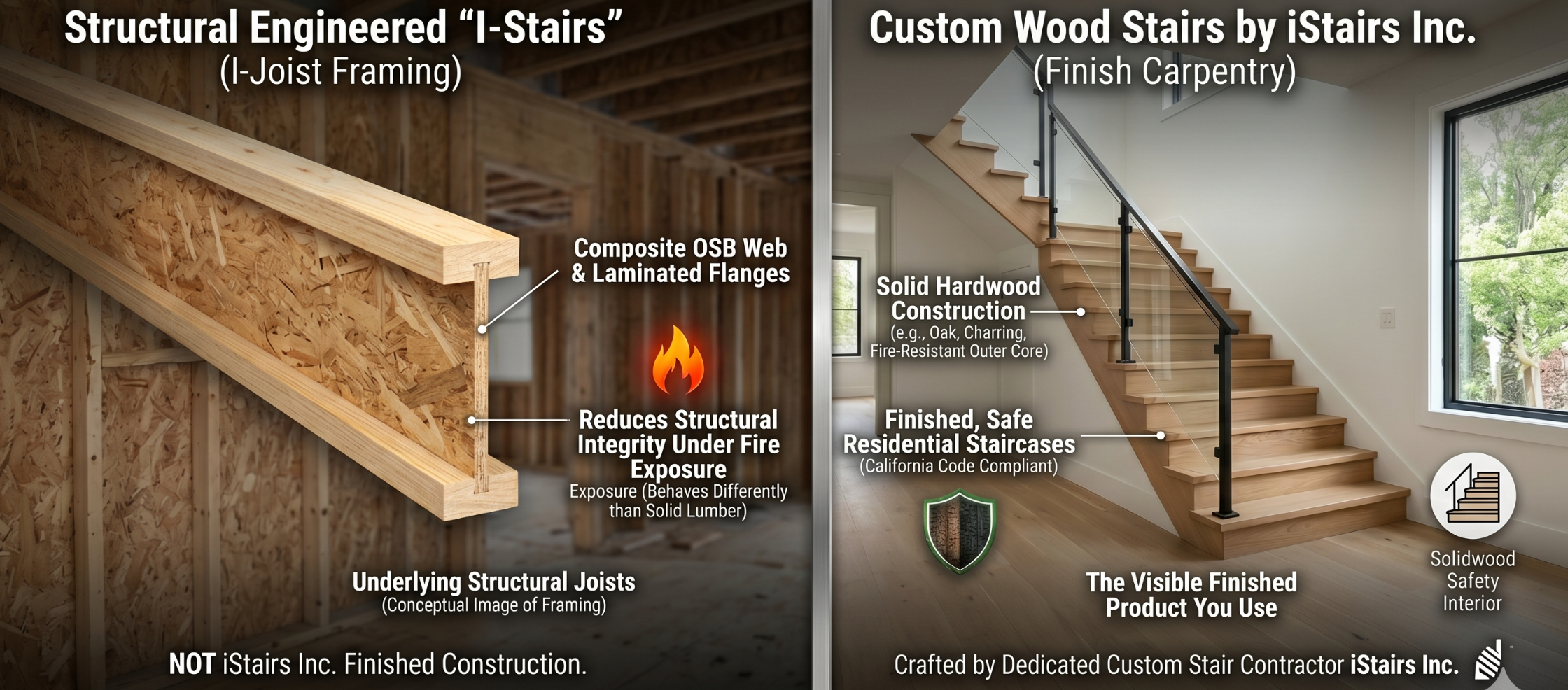
Because our company name is iStairs Inc., homeowners and builders sometimes ask us about the fire safety of “engineered I-stairs” or I-joists. We want to be completely clear: we do not manufacture engineered structural framing. We are California’s premier custom stair contractor, specializing in the beautiful, solid wood finishes that you see and use every day.

To help you make the best, safest choices for your property, we have put together this FAQ to clear up the confusion between structural building terms and our specialized custom stair renovations.

FAQ: Understanding the Difference and Protecting Your Home

What is the difference between iStairs Inc. and engineered “I-stairs”? The difference is finish carpentry versus hidden rough framing.

  • iStairs Inc. (Our Brand): We design, build, and renovate custom wood stairs. We specialize in finish carpentry, meaning we install the solid, beautiful hardwoods for your treads, risers, and handrails.

  • Engineered “I-Stairs” / I-Joists (The Building Material): This is a generic construction term for the hidden framework holding up floors and staircases, made from lightweight, composite wood shaped like an “I”.

Why are engineered I-joists mentioned in fire safety discussions? Engineered I-joists are highly efficient and code-compliant for structural framing. However, because they are made from thinner, lightweight composite materials, they can burn and lose their structural integrity rapidly in a high-heat house fire. To meet modern fire safety standards, building codes often require this hidden engineered framing to be heavily protected by fire-resistant drywall or sprinkler systems.

How do custom wood stairs improve safety in a fire? Unlike lightweight composites, the heavy, solid hardwoods used in our residential staircases—such as solid oak, walnut, or maple—possess a natural resistance to fire.

When thick, solid wood is exposed to extreme heat, it develops a charred outer layer. This char insulates the inner core of the wood, significantly slowing down the burning process. This critical delay allows high-quality solid stair materials to maintain their strength longer, providing a safer escape route during an emergency.

Are your custom stairs compliant with California building codes? Absolutely. We take safety just as seriously as aesthetics. Every custom staircase we build and renovate is designed with strict code compliance in mind, ensuring your stairs meet all local California safety regulations for structural integrity, spacing, and durability.

Upgrade to Beautiful, Safe, Solid Wood Stairs Today

Your staircase is more than just a way to get from one floor to another—it is a central architectural feature and a vital safety route. You shouldn’t have to compromise between breathtaking design and peace of mind.

By choosing solid custom wood stairs, you are investing in timeless beauty, long-lasting durability, and proven material safety.

If you want to renovate your home or business stairs with premium, code-compliant materials, contact us today. Our expert finish carpenters are ready to transform your space with craftsmanship you can trust.

From Outdated to Modern: How Stair Renovations Are Transforming California Homes in 2026

Some of the most impactful home renovations don’t require changing an entire floor plan. In many Northern California homes, the staircase alone can completely influence how modern, open, and updated an interior feels.

As homeowners throughout Sacramento continue investing in interior upgrades during the 2026 remodeling season, stair renovations are becoming one of the most requested ways to modernize a home without undergoing a full reconstruction project.

Replacing outdated railings, worn finishes, or older baluster systems can dramatically transform the atmosphere of a space while preserving the existing staircase structure. At iStairs, many renovation projects focus on creating cleaner, brighter, and more contemporary stair systems that naturally blend with California interiors.


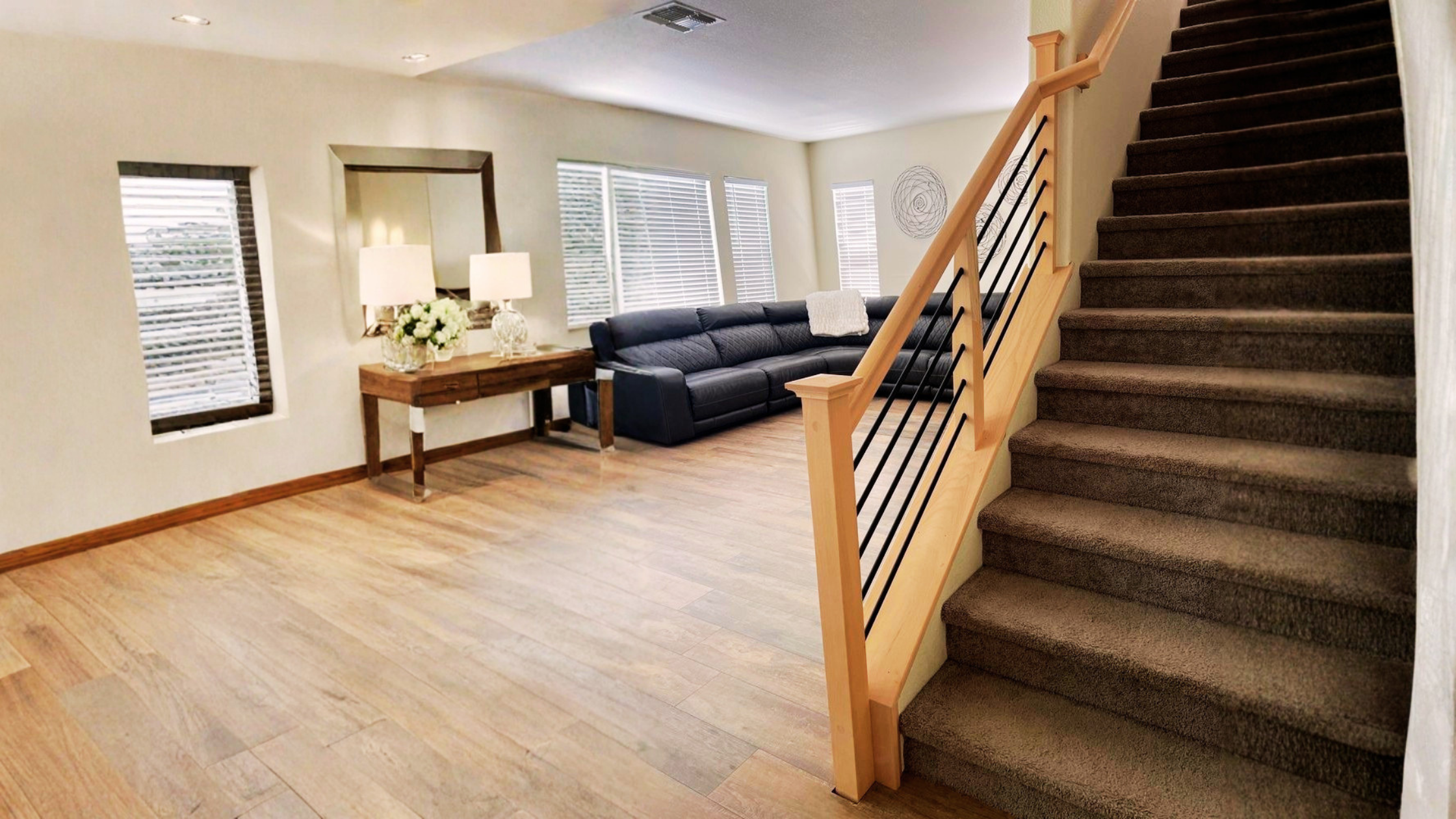
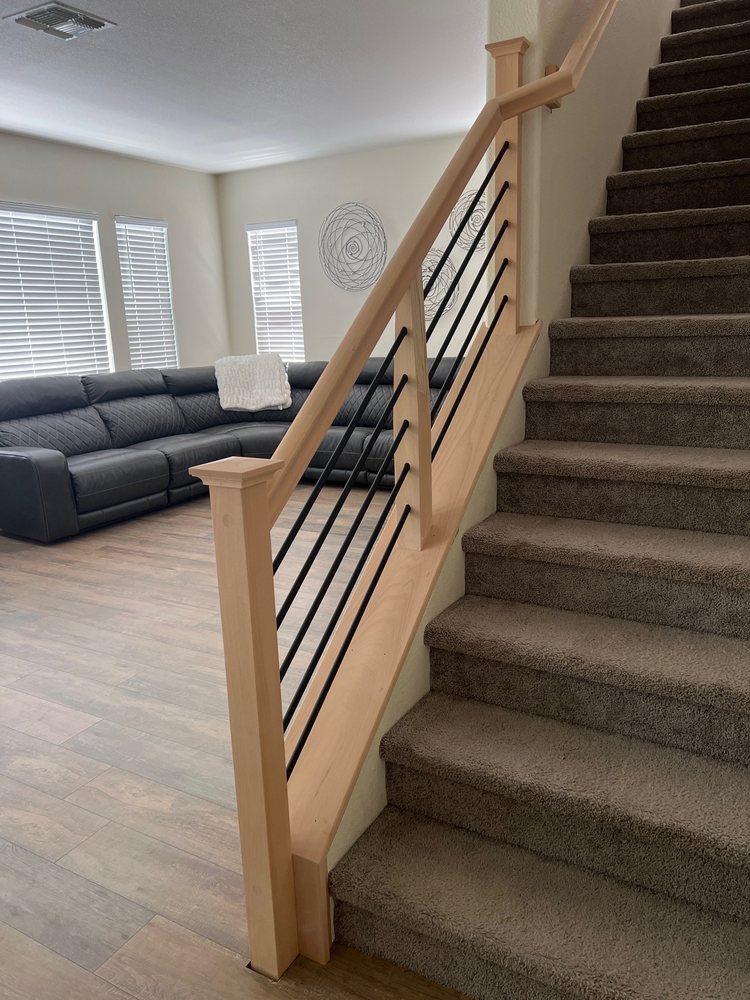
Modern stair renovation in Sacramento with natural wood railing and black horizontal balusters by iStairs


Why Stair Renovations Have Become So Popular in California

In 2026, California interior design trends continue moving toward warmer natural materials, lighter spaces, and simplified architectural details. Homeowners are increasingly replacing bulky traditional stair components with cleaner railing systems and updated wood finishes that feel more connected to modern living.

One of the biggest advantages of stair renovation is that even relatively small upgrades can create a dramatic visual difference throughout the home. Because staircases are often positioned near entryways, living rooms, and central hallways, updating the stairs immediately changes the way the surrounding space feels.

Projects that once focused only on kitchens and bathrooms are now extending into stair remodeling as homeowners recognize the impact a staircase has on the overall character of an interior.

If you’re considering updating an existing staircase, iStairs offers professional stair renovation services in Sacramento tailored to both traditional and modern homes.


Modern Railings Are Replacing Outdated Balusters

One of the most noticeable staircase trends in Northern California is the shift away from heavy traditional wood balusters toward cleaner and more contemporary railing systems.

Natural wood handrails combined with matte black horizontal balusters have become especially popular because they create contrast without overwhelming the space. The result feels modern, timeless, and architecturally clean while still maintaining warmth.

In many Sacramento homes built in the early 2000s, staircases were designed with darker finishes and visually heavy railing systems. Renovating these elements can instantly make interiors feel brighter and more updated without changing the staircase layout itself.

This type of transformation is especially appealing for homeowners who want a high visual impact while maintaining a practical renovation budget.


Stair Remodeling Creates a More Open Feeling

A well-designed staircase renovation doesn’t just improve appearance — it changes the visual flow of the home.

Modern railing systems allow more light to travel naturally through interior spaces, helping homes feel larger and less enclosed. This is particularly important in California homes where homeowners increasingly prioritize airy, open interiors that connect naturally with natural light.

Even homes with existing carpeted stairs can feel dramatically more contemporary when paired with updated railings and refined wood details.

For homeowners looking for larger structural or visual transformations, stair remodeling services in Sacramento can help completely redefine the look and feel of an existing staircase.


Summer Is the Perfect Time for Stair Renovations

May and June are among the busiest months for interior remodeling projects throughout Northern California. Longer daylight hours, stable weather conditions, and summer entertaining season make this one of the most practical times to complete staircase upgrades.

Many homeowners choose to renovate their stairs before:

  • hosting guests during summer
  • listing their homes for sale
  • completing larger interior refreshes
  • upgrading flooring throughout the house

Because staircases connect multiple living areas, even a moderate renovation can elevate the appearance of the entire home.


Creating a Staircase That Feels Custom to Your Home

The best stair renovations are never one-size-fits-all. Material selection, railing style, wood tone, and finish all play a role in creating a staircase that feels integrated with the architecture of the home itself.

Whether the goal is a subtle refresh or a full staircase transformation, thoughtful stair renovation can increase both visual appeal and long-term property value.

At iStairs, every project is designed around craftsmanship, functionality, and timeless California design aesthetics.

Ready to Modernize Your Staircase?

Whether you’re updating outdated railings, replacing worn stair components, or planning a full staircase transformation, iStairs provides custom renovation and remodeling solutions throughout Sacramento and Northern California.

Explore Our Services:

Request a Consultation

Visit iStairs.net to schedule a consultation and discover how a custom stair renovation can completely transform your home.

How Much Does Stair Renovation Cost in California?

Staircases are more than just a functional part of your home—they’re a statement piece, a focal point, and often the first thing guests notice when they walk in. Whether you’re updating an outdated staircase or restoring worn-out steps, stair renovation is a smart way to elevate your interior and add long-term value. But one question always comes up: How much does stair renovation cost in California?

If you’re looking for a one-size-fits-all answer, you won’t find it here—and for good reason. At iStairs, we understand that every home and staircase is unique, which is why we offer custom quotes tailored to your space, materials, and design goals.


What Factors Influence Stair Renovation Costs?

There’s no flat fee when it comes to stair remodeling in California. Pricing varies widely depending on a variety of factors, including:

1. Staircase Type and Size

A straight staircase will generally be simpler and more affordable to renovate than a spiral, curved, or split-level staircase. The number of steps, landings, and overall height also play a role in labor and material costs.

2. Material Selection

Choosing between hardwood, iron, glass, or cable railings will have a big impact on the final price. For example, oak stair treads and wrought iron balusters offer a luxurious feel but come at a higher price point than carpeted or basic wooden options.

3. Structural Changes

Are you updating the look of your staircase or changing its structure entirely? Structural modifications—like widening stairs, altering the layout, or changing the railing system—require more labor and engineering, which adds to the cost.

4. Custom Features

Adding custom handrails, decorative newels, under-stair storage, or LED lighting increases both design appeal and total investment. However, these features also enhance functionality and can add resale value to your home.

5. Location & Accessibility

Homes in different parts of California may see varying pricing due to local labor rates, materials availability, and permitting requirements. Accessibility to the staircase also affects installation time and labor intensity.


Why California Homeowners Choose to Renovate Their Stairs

From Sacramento to San Jose, homeowners across California are investing in stair upgrades as part of larger interior remodels or to simply refresh their home’s aesthetics. Here’s why:

  • Boosting Curb Appeal: Modern staircases instantly upgrade the look of any home.

  • Safety & Code Compliance: Renovations ensure stairs meet updated building codes and improve safety.

  • Improving Functionality: Renovation allows you to add storage, improve durability, or adjust awkward designs.

  • Increasing Home Value: An updated staircase can significantly improve resale value and make your home more attractive to buyers.

Whether you’re prepping to sell or planning to stay for decades, investing in custom stair renovation is a smart move.


Popular Stair Renovation Options in California

At iStairs, we’ve worked with homeowners all over California to deliver stair systems that match their vision and budget. Some of the most popular renovation services we offer include:

  • Hardwood Stair Tread Replacement
    Swap out old carpet or laminate for elegant hardwood options like oak, maple, or walnut.

  • Wrought Iron Baluster Upgrades
    Replace traditional wooden spindles with sleek, modern iron balusters for a bold new look.

  • Open Riser Staircase Conversions
    Create a more spacious and airy feel with floating or open riser stair designs.

  • Custom Handrail Installation
    Choose from wood, metal, or mixed-material handrails to fit your aesthetic and safety needs.

  • Full Staircase Rebuilds
    From demo to design, we handle complete staircase overhauls tailored to your style and floor plan.


How iStairs Creates Custom Quotes for Every Project

We know you’re looking for transparency, expertise, and quality craftsmanship. That’s why we don’t offer cookie-cutter pricing. Instead, we follow a simple, personalized process:

  1. Consultation – We meet with you (virtually or on-site) to understand your vision, measure your space, and explore design ideas.

  2. Design Selection – You’ll choose materials, layouts, and finishes that match your budget and goals.

  3. Custom Quote – We provide a no-obligation estimate based on your specific needs, timeline, and location.

  4. Installation – Our experienced installers bring your staircase to life with precision and care.

Our goal is to provide top-tier stair renovation services across California, with a clear process and results that exceed expectations.

Why Choose iStairs for Your California Stair Renovation?

With years of experience, a passion for craftsmanship, and a reputation for reliability, iStairs is trusted by homeowners, designers, and builders across California. Here’s what sets us apart:

  • In-House Manufacturing: We build many of our stair components locally to ensure quality and reduce wait times.

  • Design Expertise: From traditional to ultra-modern, we help you achieve the exact look you want.

  • Turnkey Service: We manage everything—from removal to finishing—so you don’t have to juggle contractors.

  • Customer Satisfaction: Our team works with integrity and transparency at every step.


Ready to Get Started? Let’s Talk Stairs.

If you’re wondering how much your stair renovation project will cost, the best place to start is a free consultation with iStairs. Whether you’re aiming for a bold design transformation or a subtle style upgrade, we’re here to bring your staircase dreams to life—on time, on budget, and with expert precision.

Contact us today to schedule your consultation and receive a custom quote.
Serving homeowners across Sacramento, Roseville, Folsom, and surrounding areas.

iStairs—Where Style Meets Structure.

The ROI of Stair Remodeling: How Upgrading Your Stairs Increases Home Value

When it comes to home renovations that offer both aesthetic and financial rewards, stair remodeling is often overlooked. However, upgrading your staircase can have a significant impact on the value of your home, especially in competitive real estate markets like California. Whether you’re considering a sleek modern staircase or restoring a classic wood design, stair remodeling offers one of the best returns on investment (ROI) for homeowners looking to elevate their space and boost resale potential.

Why Stair Remodeling Is a Smart Investment

Your staircase is often the first major architectural feature people see when they walk into a home. A well-designed stairway creates a powerful first impression, and in real estate, first impressions matter. Here are a few reasons why stair remodeling in California is a worthwhile investment:

  • Visual Impact: A beautifully designed staircase can become the focal point of your interior, creating a sense of flow and elegance.
  • Functionality & Safety: Modern stairs offer better safety features, durable materials, and ergonomic design.
  • Buyer Appeal: Updated stairs often appeal to prospective buyers who want a move-in-ready home with modern finishes.

According to industry reports, remodeling a staircase can yield an ROI of 70% to 80%, depending on materials, design, and local market conditions.

Best Stair Remodeling Projects for High ROI

1. Material Upgrades: Switching from carpeted stairs to hardwood or engineered wood instantly elevates your space. In California, oak, maple, and walnut are top choices for stair remodeling due to their durability and classic appearance. Adding non-slip finishes or integrating glass or wrought iron balustrades can further increase appeal and safety.

2. Open Concept Staircases: Modern buyers in cities like Sacramento, San Diego, and San Francisco appreciate open layouts. An open riser staircase with a minimalist railing adds light and openness, contributing to a more spacious feel.

3. Custom Railings & Balustrades: A unique railing design can transform a simple staircase into a show-stopping feature. California homeowners are increasingly choosing cable railings, metal spindles, and custom woodwork to reflect their style.

How Stair Remodeling Enhances Home Value

1. Improves Interior Cohesion: Upgraded stairs unify your home’s interior style, especially when paired with flooring, trims, and color schemes. A cohesive aesthetic creates the impression of a well-maintained home, which translates into higher property value.

2. Adds Safety and Compliance: Many older homes have stairs that are not up to current safety codes. Remodeling your staircase ensures it complies with California building regulations, especially if you’re planning to sell or rent your property. This makes the home more attractive to families with children or elderly residents.

3. Increases Marketability: Real estate agents often highlight updated staircases in listings. A modern, attractive staircase can set your property apart in a competitive housing market.

Stair Renovation vs. Full Remodel: Which is Right for You?

At iStairs, we offer both stair renovation and full remodeling services. Renovation may include replacing treads, updating railings, or refinishing materials. A full remodel typically involves redesigning the staircase layout and structure.

If your stairs are structurally sound, a renovation might be enough to boost appeal. However, for outdated or unsafe designs, a full remodel offers a better long-term investment.

Explore our stair remodeling services to learn more about your options.

Tips for Maximizing Your Stair Remodeling ROI

  • Choose Timeless Designs: Avoid overly trendy materials that may go out of style. Classic wood or neutral finishes have wider appeal.
  • Invest in Quality: Use durable materials and hire experienced contractors to avoid costly repairs down the line.
  • Consider Your Home’s Style: Your new staircase should complement your home’s existing architecture and design.
  • Maintain Your Investment: Regular upkeep, like cleaning, polishing, and inspecting for wear, can help protect your remodeled stairs.

Don’t forget to check out our guide on stair maintenance to keep your investment in peak condition.

Is Stair Remodeling Right for Your California Home?

If you’re located in California and thinking about selling your home or simply want to enhance its look and function, stair remodeling can be a smart move. Whether you’re in the Bay Area, Los Angeles, or a smaller town, upgraded stairs offer a tangible way to add value.

As a trusted staircase contractor, iStairs has helped hundreds of California homeowners transform their interiors with custom stair designs that reflect both style and substance.

Ready to Boost Your Home Value with a Stair Remodel?

Let iStairs bring your vision to life. From planning and design to installation and maintenance, our expert team is here to guide you every step of the way.

📞 Call us today or contact us through our website form to schedule your consultation.

Take the first step toward transforming your home — one stair at a time.

Why Holiday Stair Renovations are the Perfect Upgrade for Your Home

The holiday season is a time for family gatherings, festive decor, and welcoming loved ones into your home. But with all the hustle and bustle, it’s also the perfect opportunity to focus on those home improvement projects you’ve been putting off—like stair renovations! Not only do stairs play a functional role in your home, but they’re also a focal point that can transform the look and feel of your space.

Why Renovate Your Stairs During the Holidays?

Make a Great Impression: With guests coming over, you want your home to shine. A beautifully renovated staircase with elegant iron balusters, warmly lit by holiday lights can enhance your home’s overall aesthetic, making it a standout feature that impresses everyone who walks through the door.
Safety First: Older staircases may have wear and tear that pose safety risks, especially when you have family and friends visiting. Renovating your stairs ensures they’re in top shape, keeping everyone safe and adding elegance.
Perfect Timing: The holiday season often gives people time off from their busy work schedules, making it a great window to tackle those home improvement projects. With the extra time, you can oversee the renovation without the stress of juggling work and other responsibilities.

Expert Craftsmanship and Custom Materials at iStairs:

At iStairs, we pride ourselves on offering tailored solutions to fit every home. Whether you’re envisioning a modern, sleek design or something more traditional, our team specializes in custom stair renovations that reflect your style.
We work with various high-quality materials, including wood, metal, glass, and more, to create a staircase that matches your home’s aesthetic and enhances its overall value. Our skilled craftsmen ensure every detail is perfectly executed, from handrails to treads, delivering a staircase that is beautiful and built to last.
By collaborating closely with you, we’re able to incorporate your preferences, whether you want a statement staircase that draws attention or something subtle yet sophisticated. No matter the size or complexity of your project, we have the expertise to bring your vision to life.

How iStairs Can Help You Get Ready for the Holidays

At iStairs, we don’t just renovate—we elevate your home’s design. Our experienced team handles every step of the renovation process, from initial concept and design to installation and maintenance. Whether you need a simple upgrade or a complete stair remodel, we’ll ensure your project is done on time and with the highest level of quality.

Holiday decorated stairs

Need some inspiration?

We offer a variety of design options to suit any aesthetic, whether you’re looking for a sleek modern upgrade or a classic, timeless look. Plus, with our efficient project management, we’ll ensure your stair renovation is completed on schedule, so you can enjoy your upgraded space before your holiday guests arrive.

Ready to Start Your Holiday Stair Renovation?

Don’t wait until the last minute! Contact iStairs today to get started on your holiday stair renovation. With our custom craftsmanship, high-quality materials, and expert team, we’ll help you create a staircase that will be the centerpiece of your home this holiday season and for years to come.

How to Renovate Your Staircase on a Budget

Budget-friendly staircase renovation can dramatically enhance the look and feel of your home without breaking the bank. Whether you’re looking to update an old design or fix structural issues, there are several budget-friendly options to consider. Here are some tips on how to renovate your staircase on a budget while maintaining quality and style with the help of iStairs, your premier stair contractor in Northern California.

1. Assess Your Current Staircase

Before diving into renovations, take a close look at your current staircase. Identify any structural issues, worn-out parts, or aesthetic elements that need improvement. Understanding the extent of the renovation will help you plan and budget effectively.

Look at this stunning before/after. Read more about our Renovation service

Picture1

2. Plan Your Renovation

Create a detailed plan outlining the changes you want to make. Decide whether you want to do a full renovation or focus on specific parts like the balusters, handrails, or treads. Having a clear plan will help you stay within budget and avoid unnecessary expenses. iStairs can assist in planning and executing your staircase renovation to perfection.

3. DIY Where Possible

Taking on some of the work yourself can significantly reduce costs. Simple tasks like painting, staining, or replacing minor parts can be done without professional help. However, for more complex jobs, it’s best to hire experienced stair contractors for residential and commercial properties in Northern California, such as iStairs.


4. Use High-Quality Stair Parts and Accessories

Invest in high-quality stair parts and accessories to ensure durability and longevity. At iStairs, we offer a wide range of affordable yet premium products perfect for DIY projects. From stylish balusters to sturdy treads, our selection will help you achieve a professional finish on a budget.


5. Refinish Instead of Replace

Instead of replacing entire components, consider refinishing them. Sanding down and repainting or staining your treads and handrails can give your staircase a fresh new look at a fraction of the cost of replacement.

Ready to start your budget-friendly staircase renovation? Click below

Small aesthetic changes can make a big impact. Updating the balusters, adding a fresh coat of paint, or installing new lighting can transform the look of your staircase without major structural changes. iStairs specializes in aesthetic enhancements that make a noticeable difference.


6. Incorporate Affordable Materials

Using affordable yet stylish materials can help you stay within budget. For example, opt for engineered wood or laminate instead of solid hardwood for your treads. These materials are cost-effective and come in a variety of finishes to match your desired look. iStairs can recommend the best materials to fit your budget and design preferences.

7. Focus on Aesthetic Changes

8. Hire Professional Help for Complex Tasks

While DIY can save money, some tasks require professional expertise. Hiring experienced stair contractors for complex installations or structural repairs ensures safety and quality. At iStairs, our team of experts can handle any staircase renovation, big or small.

Contact iStairs today to schedule a consultation and get a free quote for your staircase renovation! 


Renovating your staircase on a budget is possible with careful planning, smart material choices, and a mix of DIY and professional help. By focusing on both structural integrity and aesthetic appeal, you can achieve a stunning transformation without overspending. iStairs is here to assist you every step of the way, ensuring a successful renovation that fits your budget.