Call Us 844-STAIR-4U
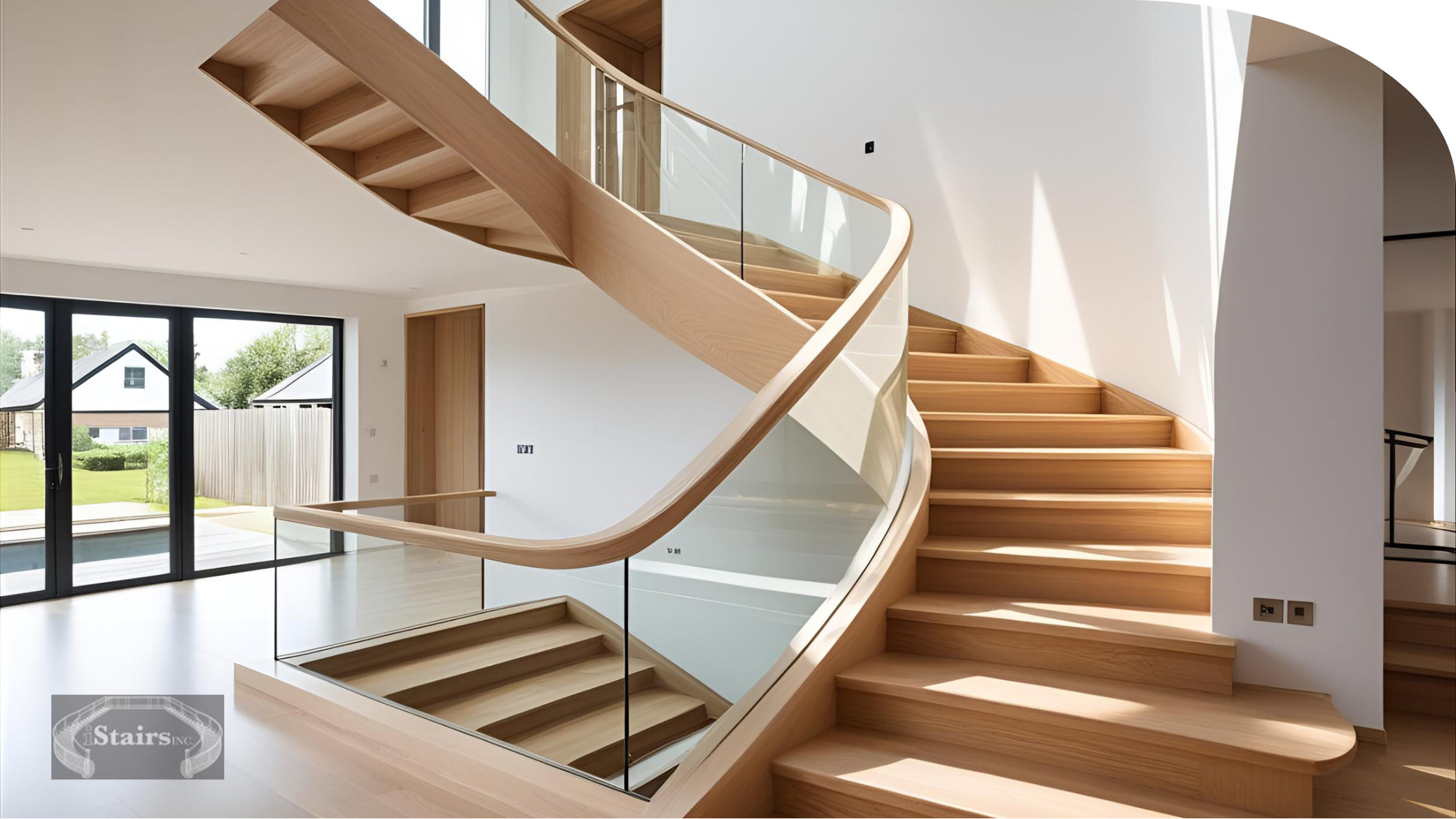
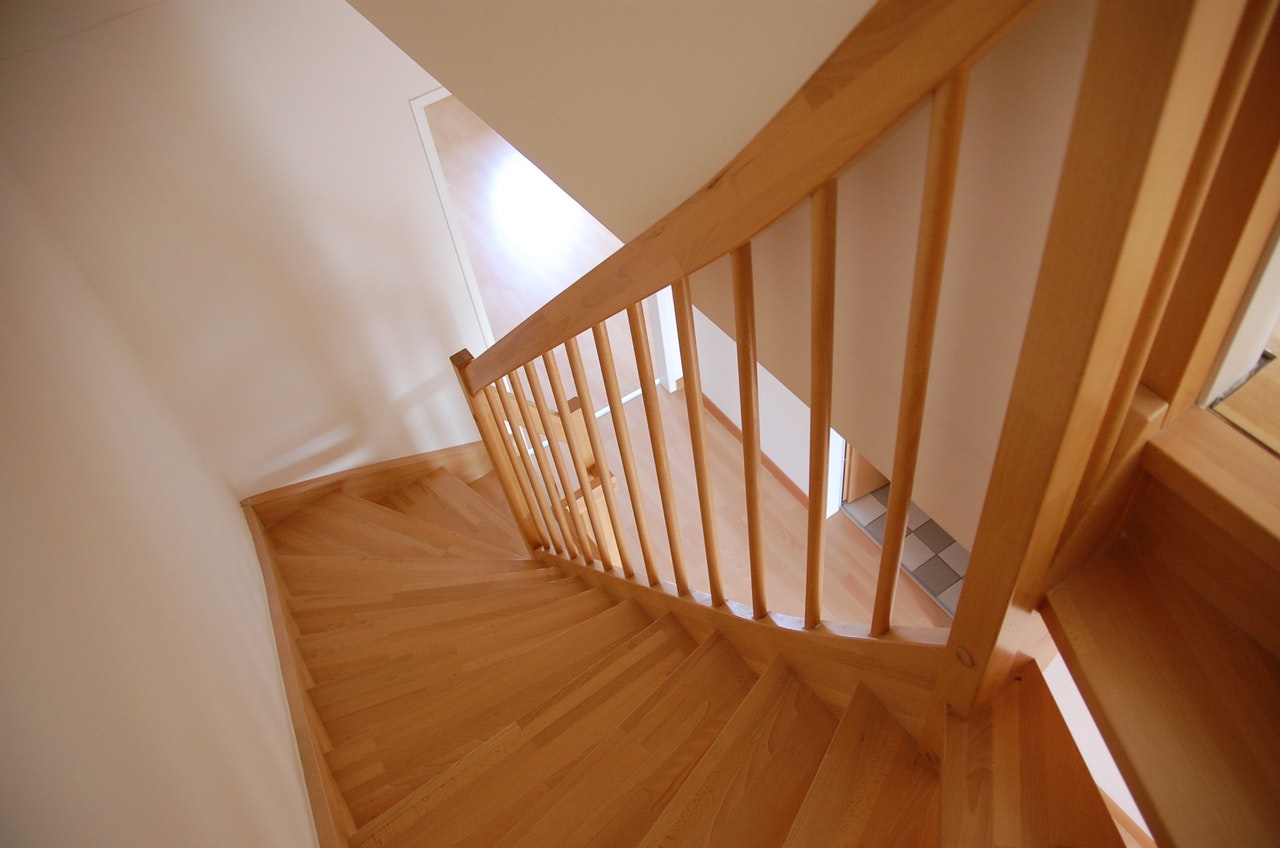


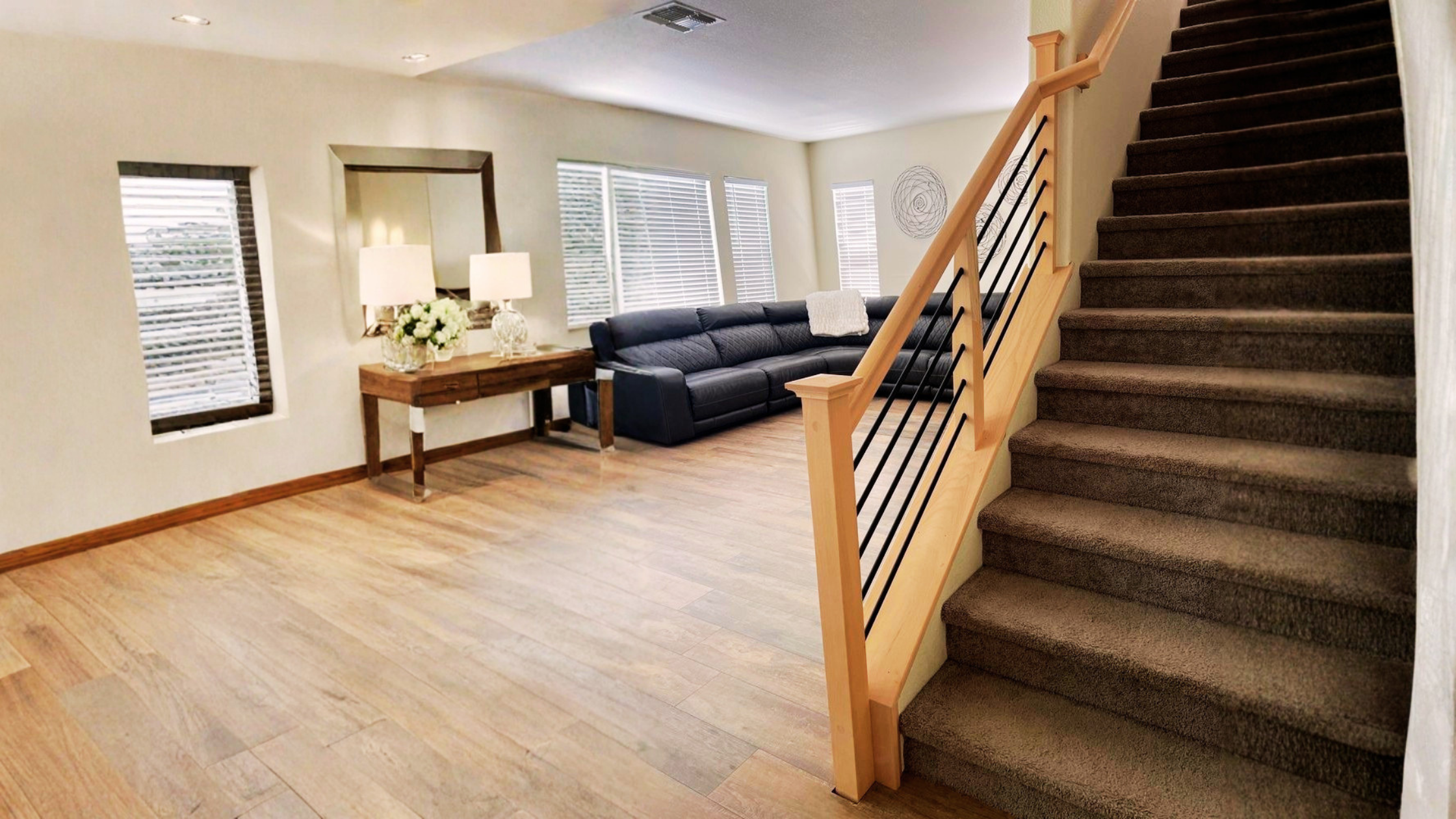
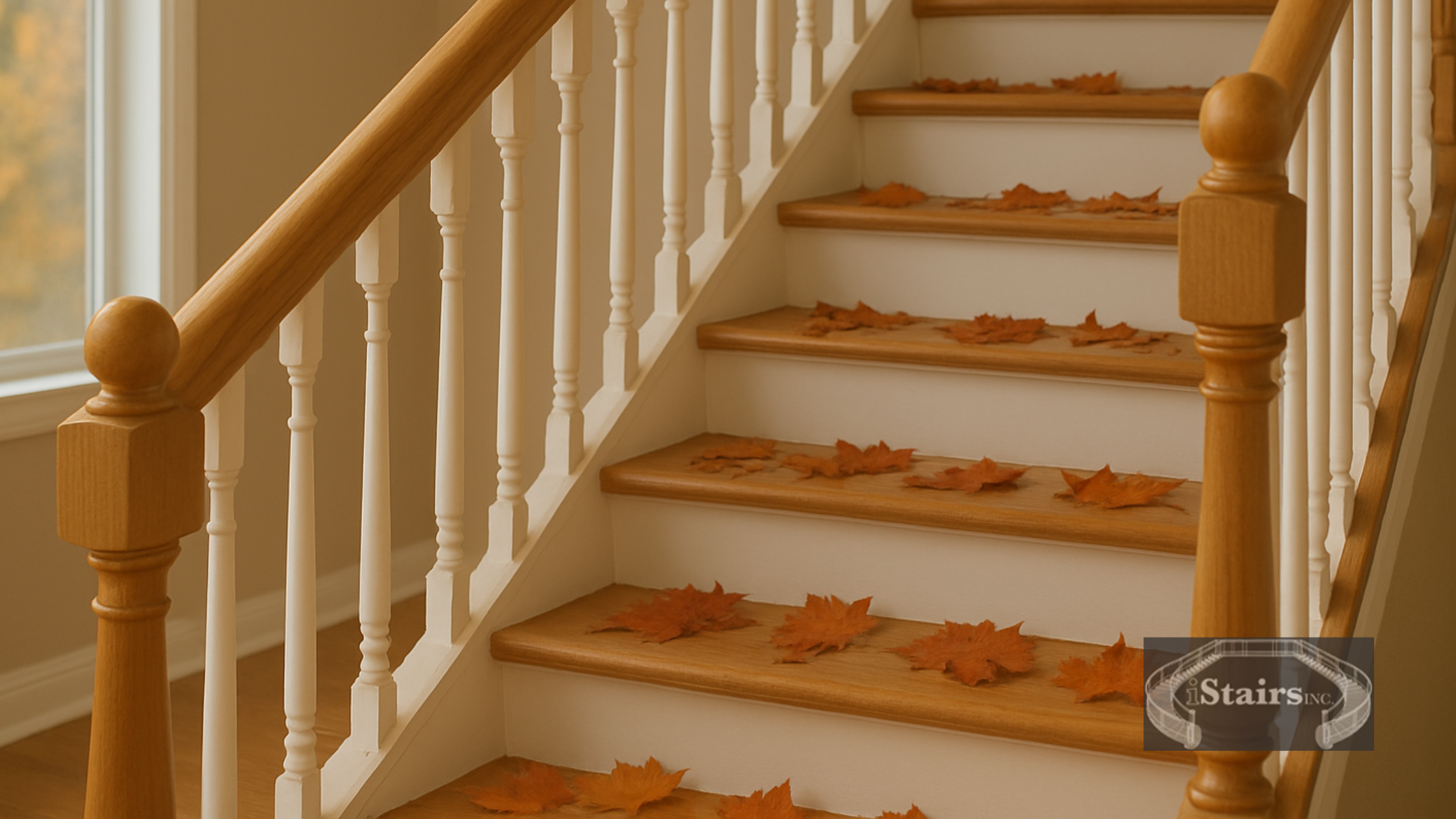


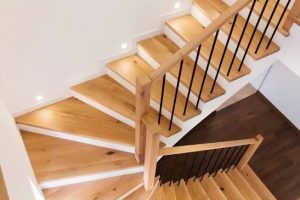
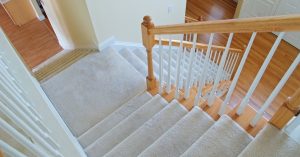
Carpeted stairs were a popular choice for decades. They muffle sound and feel soft underfoot, but they also trap dust and pet dander, wear out faster than carpet on flat floors, and tend to date a home once the rest of the interior has moved toward wood, tile, or luxury vinyl. It’s a common renovation question: can the carpet actually come off, and is hardwood underneath, or added on top, a realistic option?
The short answer is yes, in most cases. But a staircase carries more structural and safety responsibility than almost any other feature in a home, so the process takes more planning than swapping flooring in a bedroom. It’s also one of the first things people notice walking into a house, and a well-executed staircase remodel tends to read as a meaningful upgrade because it touches so much visible surface area for a relatively contained project.
Quick Answer
Yes, carpeted stairs can be replaced with hardwood. In many homes, solid wood treads already exist beneath the carpet and can be refinished. Where they don’t, or where the wood is damaged, new treads, risers, and stringers can be installed. The process typically involves removing the carpet and staples, assessing the subsurface, and either refinishing or replacing the treads and risers.
Can You Replace Carpeted Stairs With Hardwood?
In most homes with traditional wood-framed staircases, yes. Builders in the past frequently installed solid wood treads and risers, then covered them with carpet to save on finish costs or to match the design preferences of the time. Pulling back a section of carpet at the base of the stairs, or in a closet where the stringer is visible, usually reveals whether the wood underneath is finish-grade or construction-grade plywood.
If finish-grade treads are present and sound, refinishing is often the more economical route: strip the carpet and staples, sand the treads and risers, then stain and finish to match the rest of the home’s flooring. If the wood underneath is rough plywood, damaged, or uneven, new treads and risers need to be installed instead, which is common in homes where the builder never intended the stairs to be seen without carpet. Either path is workable, but it’s worth having a professional inspect the staircase first, since nail heads, water staining, and tread thickness variations are easy to miss and affect both cost and approach.

What Does the Process Involve?
Once carpet, padding, and staples are removed, the treads and risers are inspected for level, squareness, and soundness, and any squeaks are typically fixed by securing loose treads to the stringers with screws rather than the old nails.
If new treads and risers are needed, they’re cut to match the exact geometry of the existing stairs, since older homes rarely have uniform rise and run measurements from one step to the next. Pre-cut, big-box treads are built for standard dimensions, so forcing them onto a staircase with slight variations often results in gaps or steps that don’t quite match. A custom staircase approach works from the actual measurements of the existing structure instead. Once secured, the wood is sanded, stained, and sealed with a durable finish, often along with the stringers and skirtboard, so the whole staircase reads as one cohesive piece.
What Materials Work Best?
Wood species matters more on stairs than almost anywhere else in the home, since treads take repeated direct impact. Oak remains a common choice for its density and even stain uptake, which makes it easy to match existing hardwood floors. Maple offers a tighter, more contemporary grain, while cherry and alder bring warmer tones but are softer woods worth weighing against high-traffic wear.
| Wood Species | Hardness | Best For |
|---|---|---|
| Oak | High | High-traffic homes, matching existing oak flooring |
| Maple | High | Clean, contemporary interiors |
| Cherry | Medium | Warm tones, traditional interiors |
| Alder | Medium | Rustic or transitional design, painted finishes |
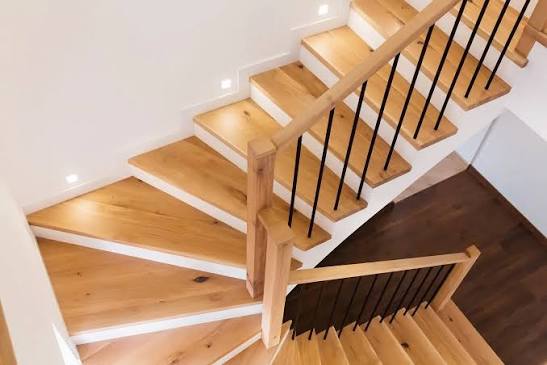
The renovation is also a natural time to reconsider the balusters and spindles , handrail , and newel posts, since these are usually replaced or refinished alongside the treads. Wrought iron balusters paired with hardwood treads have become popular in California homes for the contrast between dark metal and warm wood.
Is It Better to Remodel or Fully Replace a Staircase?
This depends on the condition of the existing structure. If the stringers and framing are sound and the layout already works well, a remodel that replaces the surface materials while keeping the underlying frame is usually the more efficient, less invasive path. A full staircase renovation that rebuilds the structure itself makes more sense when the stairs need to be reconfigured, widened, or moved, or when the existing framing has settled or been damaged over time. A contractor who inspects the framing before quoting the work will be able to tell you which category your project falls into.
Deciding What’s Right for Your Home
Applicable California and local building requirements should be considered during the design and installation process, particularly around handrail height, baluster spacing, and stair dimensions, especially in older homes built before current standards. Beyond code, the right approach comes down to what condition the wood underneath the carpet is in, whether the staircase layout works for how the home is used, and what look you’re going for. Browsing a before-and-after gallery of completed transformations is a useful way to see how a carpeted staircase looks once converted, and an in-person assessment is the most reliable way to get a clear picture of cost and timeline.
Frequently Asked Questions
Can carpeted stairs always be converted to hardwood?
In most homes, yes. Many staircases have finish-grade wood treads under the carpet that can be refinished. If the wood underneath is rough plywood or damaged, new treads and risers will need to be installed instead.
How long does the process take?
It depends on whether treads are being refinished or replaced. A straight refinish can often be done in a few days, while a full tread and railing replacement takes longer due to custom fabrication and finish curing time.
Do the stairs need to match the rest of the home’s flooring?
It’s not required, but many homeowners match the wood species and stain tone to existing floors for a cohesive look, though a complementary rather than identical match works fine too.
Is hardwood noisier than carpet on stairs?
Yes, hardwood stairs are louder underfoot. Runners or stair treads with a felt or rubber pad can be added on top to reduce noise while keeping the wood visible on the sides.
Ready to See What’s Under Your Carpet?
If you’ve been living with carpeted stairs and wondering what’s underneath, the best next step is having your staircase assessed in person. iStairs works with Northern California homeowners on everything from tread refinishing to full custom staircase builds. Browse the stair parts available to get a sense of options, or reach out directly to schedule a consultation.