Design Tips and Trends

Mulling over your stair projects design? Be in the know. Get inspiration with our designs, ranging from the classics, the contemporary, and the avant-garde.

How to Choose the Right Staircase for Your House

While a staircase is an “architectural” necessity–connecting one floor to another– it doesn’t have to be boring. With different types of staircases to choose from, you can always find something that suits your taste, your budget, and your home’s design. 

Budget 

The cost of a staircase primarily depends on the material and its design. In general, straight stairs style (stairs without any change in direction) and stairs made of aluminum are more affordable than solid timber staircases and split or bifurcated staircases, which are commonly found in grand homes. 

Occupants 

If there are seniors and children in the family, a good rule of thumb is to choose a staircase design with landing plates and handrails. While the avant-garde and minimalist look of a floating staircase might appeal to you, it is not practical or even safe if you have small kids at home. 

Safe Design 

A safe design doesn’t necessarily mean a boring-looking staircase. These are tried-and-tested ways to ensure that your stairs are safe for everyone, including children and people with mobility issues. 

  • Install rail grips and add a second railing. 
  • Make sure the steps have a “gentler” rise. 
  • Choose stairs with longer runs. 
  • Avoid types of staircase with solitary steps, which are “unpredictable.”
  • Increase lighting.  
  • Prevent slip and fall accidents by adding a carpet runner. Some wood and stone staircases are easy to clean, but their surface can be slippery, especially when damp or wet. 

Materials 

There are different kinds of materials used to make staircases; they include timber, aluminum, steel, stone, marble, concrete, glass, wrought iron, wire rope, and brick, to name a few. Oftentimes, two or more materials are combined to create a functional and stylish staircase. 

From the interior designer’s perspective, the “ideal” material depends on your home style and the “texture” you want to create. For instance, wood and carpet runners (fabric) are “warm” to the eyes, while stone and glass are considered “cold” materials. 

Space

The amount of space and location will also determine the right types of staircase. For instance, a straight staircase is ideal if you want more room on the upper floor and don’t mind if it eats up more space in the area below. 

In contrast, a spiral staircase eats up less space in the downstairs area but requires a larger opening in the ceiling above. 

If you want the spiral staircase look but don’t like to sacrifice space on the upper floor, you may opt for a combination staircase design that combines straight and spiral treads. 

Related blogs:

https://www.istairs.net/blog/different-types-of-stairs-their-pros-and-cons/
https://www.istairs.net/blog/14-stairway-design-ideas/
https://www.istairs.net/blog/creative-staircases-for-tiny-houses%e2%80%af/

Staircase Designs 

The right staircase design depends on your space and style. For instance, spiral staircases are ideal for tight spaces and can also serve as a focal point in your home with the right material and structural design. 

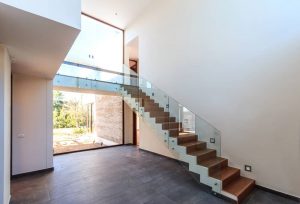
Glass stairwells, meanwhile, are ideal if you like the minimalist look or want to utilize the natural light, which makes any space appear bigger than it is. 

But if you’re into a grand look, you may want to consider a double or split staircase, which consists of two staircases leading to a broad flight at the bottom that is often situated facing the home’s front door to create a more dramatic entrance. 

Contrary to popular belief, you can turn your staircase into a focal point of your home or at least use it to set the tone for a room. For instance, dark wood banisters combined with matte black metal inserts can create a unique rustic staircase. 
To learn more about the different types of staircases, contact iStairs at 916-853-1499 or visit their showroom at 11270 Pyrites Way, Gold River, California, which is just a 30-minute drive east of Sacramento. 

https://www.istairs.net/blog/top-10-design-tips-to-make-your-staircase-a-statement-piece/
https://www.istairs.net/blog/functional-stairs-for-small-homes/

What are the Different Styles of Stair Railings?

Treat your staircase as one of the focal points of your home instead of just an afterthought. Thus, make sure that you choose a design that reflects your home’s interior and architectural design.

Let’s explore the most popular types of stair railing designs listed below. 

Craftsman Stair Style

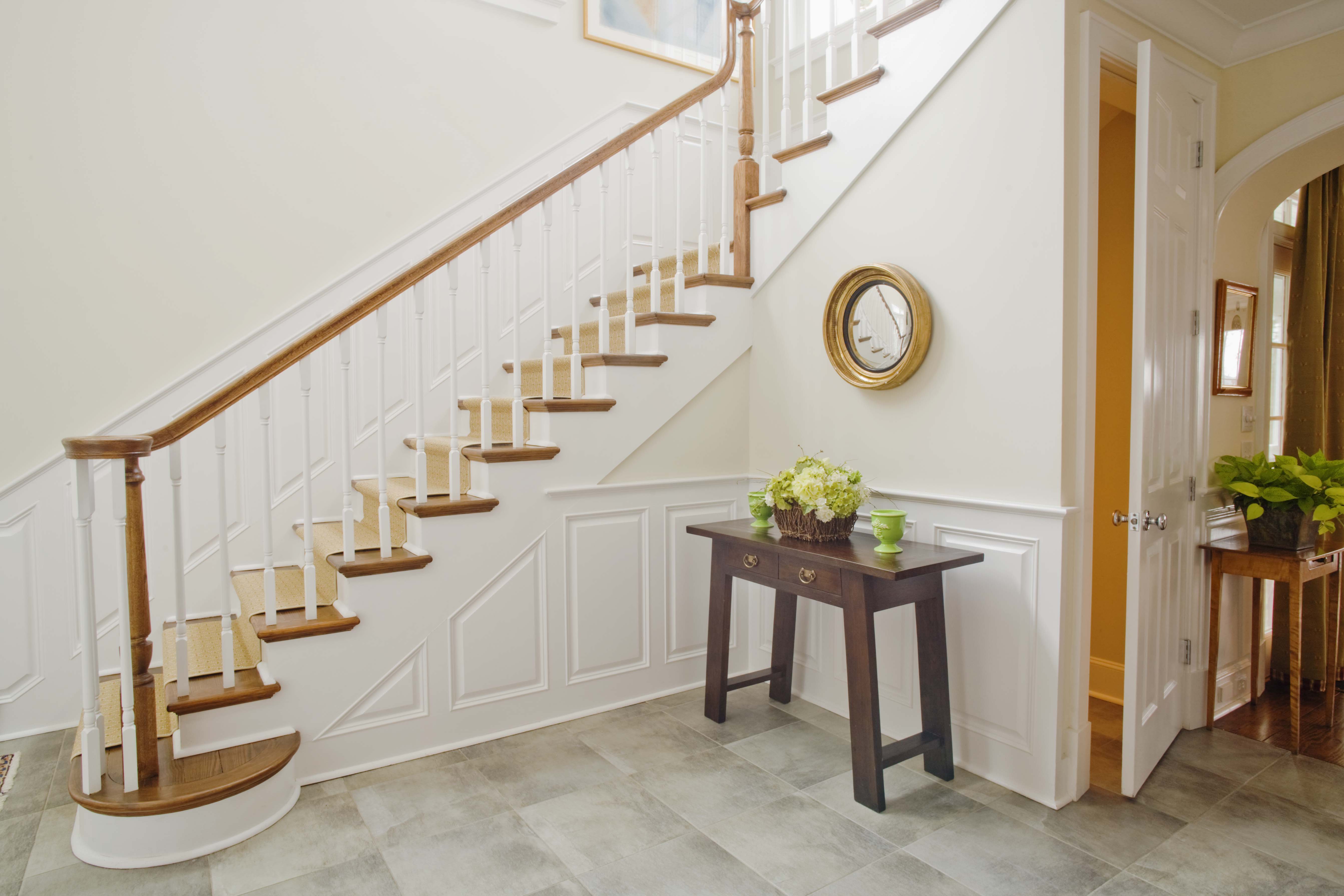
The Craftsman Style combines the warmth of wood with the coldness of metal, which reflects craftsmanship, balance, simplicity, and nature.  

Craftsman Newel Posts – The Craftsman-inspired, classic mission-style newel posts exhibit simplicity and balance through their recessed panels and clean lines. The posts highlight the natural warm colors and beauty of wood grain patterns while providing anchors for the stair railing.

Craftsman Balusters – With clean lines, patterns, and contrasting texture of metals and wood, the craftsman balusters emphasize quality workmanship. 

Each patterning style provides a unique effect. For instance, complex patterns allow the eyes to rest on the panels as a whole, whereas shorter and simpler ones make the railings appear more homogenous. Meanwhile, the use of elegant rectangular patterns is a popular choice for craftsman balusters.

Craftsman Railing – The railing profile sets the overall look of your balustrade. For instance, classically styled railings exude simplicity and neatness, whereas those considered modern or avant-garde typically have a sleeker, “more utilitarian” appearance. However, both designs complement the overall look of the Craftsman style.

Modern Stair Style

The modern style favors minimalism, spaciousness, and natural light. Polished metal materials that appear “cold” such as stainless steel, copper, brass, and aluminum, are commonly found in this stair style.

The metal stairs appear more modern or even avant-garde when they come in an asymmetric shape with low-profile fixtures and fasteners. 

Modern Newel Posts – Modern railing styles commonly use minimalist newel posts that are directly attached to the floor rather than on the first step. 

Minimalist newel posts are often made of warm wood combined with cold polished metals like stainless steel or brushed nickel, creating this “subdued” look.

Modern Balusters – Modern balusters allow natural light to pass through, making the home interior appear more spacious. 

They also use contrasting colors and textured metals such as cables instead of traditional wood or heavily embellished metals. 

Horizontal cable balusters add some tinge of uniqueness and continuity to the staircase. In addition, the use of glass with stainless steel connectors has also become a popular choice since glass allows the natural light to pass through, resulting in a more spacious, airier ambiance. 

Modern Railing – Simplicity does not equate to an insipid, uninteresting design. In fact, modern handrails can serve as a focal point or even a conversation starter if they come in asymmetric shapes of metal, glass, or wood that blur the line between the railing and baluster.

Traditional Stair Style

The traditional stair style symbolizes timeless beauty and “hominess,” especially when the warm woods and metals are meticulously arranged in symmetrical proportions. 

This stair style design combines different opposing textures of wood and polished metal, which results in a welcoming, balanced look. 


Traditional Newel Posts – Meticulously carved and richly stained, the traditional newel posts create a welcoming atmosphere. In essence, these posts exhibit detailed profiles, carved work, and integration of Victorian ornamentation, which all create a mood of warmth and elegance.

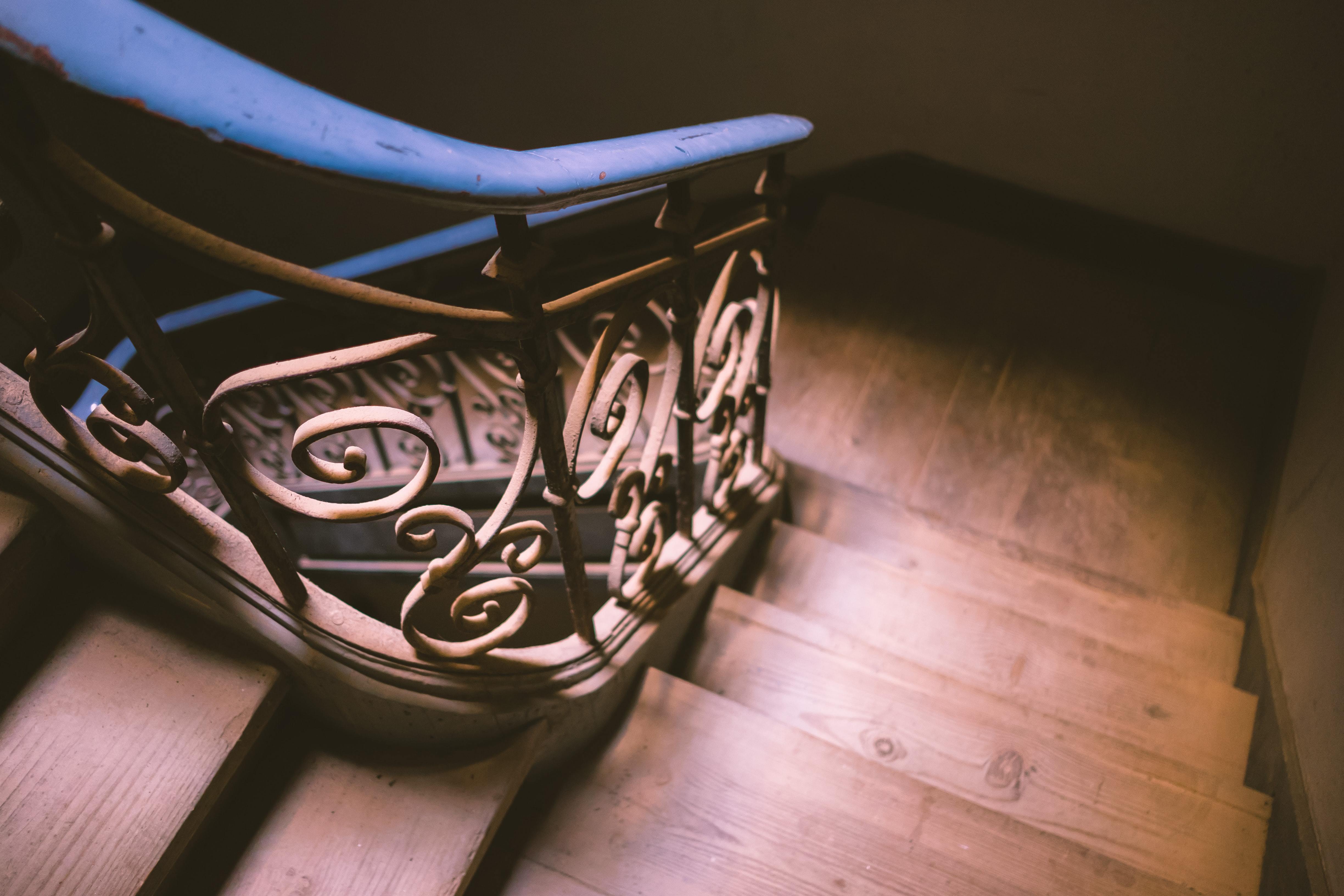
Traditional Balusters – The traditional style is notable for its semi-ornate metal balusters and wooden spindles. Often, the design comes with dark metal balusters with iron knuckles or carved wooden spindles. Some designs even use them together in an interspersed pattern.

Traditional Railing – To achieve an elegant, classic look, traditional railings are combined with newel posts and balusters. 

Traditional railing, which are generally made of sculpted wood, exhibits balance and order. 

The railing’s wood tone and texture must be the same as the posts and balusters’ to achieve the traditional look. 

While the best rail style design should reflect your home’s interior and architectural design, you should also consider its functionality. After all, the railing’s practical purpose is to assist you in your climb and descent. 

To know more about rail style design and installation, call iStairs at 844-STAIR-4U

iStairs is a residential and commercial stair contractor. It also sells quality stair parts to DIYers and homeowners. 

Things I Need to Know About Glass Railings

If you’re thinking about having glass railings as your next project, this one’s for you!

Glass railings are now the most popular railing option for modern architecture. Glass offers visual and practical advantages that other alternatives cannot. It gives the illusion of bigger spaces, allows light to flow freely, and is easy to clean. Aside from that, it provides a luxurious touch to the home if it is installed correctly.

Over the past years, more and more people have opted for glass railings in their balconies and stairs compared to wooden or metal railings. But before you get one, you should take note of these five things first!

Know the different types of glass railing systems.

Glass railings can be installed in multiple ways. Before you choose one, you should check which option would match the whole aesthetic you’re going for and if it matches the style and feel of the rest of your house. We can classify interior glass railings into three main types. These are the following:

Dadoed Glass Railings

This type of railings secures the glass panels between the handrail and the bottom shoe. The glass panels are embedded within a wooden framework, so there’s no need for additional hardware to hold them in place. Dadoed glass railings give a polished look that highlights both glass and wood.

Standoff Glass Railings

In this type of railings, glass panels are secured with round stainless steel pins called standoffs. The pins attach the panels to the vertical face of the stair system. Standoff glass railings are ideal for those who want a minimalist look for their stairs.

Clamped Glass Railings

Clamped glass railings use glass clips that mount the glass panels to the posts or railing and shoe. This type of railings allows you to highlight your hardware if you want to. It is also a good option for curved staircases.

Check safety and local building codes.

Visual appeal is one thing, but safety must also be considered. Check your local area building code requirements about the types of safety glass (tempered or laminated) you may use. While glass stair railings are considered generally safe, it’s in your best interest to follow safety guidelines.

Tempered glass is a durable type of safety glass. It is resistant to extreme temperature fluctuations, can be maintained very easily, and gives you a crystal clear view. When it breaks, it shatters into tiny cubes that are far safer than annealed glass.

Laminated glass also offers high durability. It can have sound reduction capability and UV protection. In case of breakage, laminated glass will not shatter. It will remain intact and form a web-like pattern. However, laminated glass is prone to blemishes over time and is more expensive than tempered glass.

Maintenance is part of it.

Glass railings are much less demanding than wooden ones in terms of maintenance. However, you shouldn’t neglect them altogether. Fingerprints and watermarks are the main culprits that make your glass railings dirty. Remove them by scrubbing your panels with a soft cloth soaked in water with soap or vinegar. Be careful not to use abrasive scrubbers that can damage the glass. A clean glass railing looks a whole lot more beautiful.

Know your budget and work around it.

Glass railings can be expensive. The typical cost of a 10-foot railing ranges from $1500 to $8500, and it can exceed even more than that. Prices vary depending on the design and the materials required. Dadoed glass railings are the cheapest option since thinner glass panels can be used and less machining and hardware are involved. When it comes to glass and stainless steel hardware, note that their price significantly influences their quality. But with iStairs, you can be sure that you are only getting premium quality products worth every cent.

Choose the right company that will install them for you.

The quality of the build depends on which company made them. Of course, you want only the best value for your money. iStairs has a long history of satisfied clients and masterfully made staircases. Our customized service ensures that our client always receives what they envision. We do not only make staircases that appeal to the eye. We also prioritize safety, as improperly installed staircases can be dangerous for you.

Choose a reliable company and backed with experience. Choose iStairs. For your next stairs project, call us at 844-STAIR-4U. We are excited to work with you!

How Can I Maximize my Under Stair Space?


Utilizing under-stair space is not something homeowners usually think of, but it’s worth looking into. What do you typically put in this space anyway? Your coats, shoes, or other things that you just put down after a long day at work. This space is too small to be considered traditional living space, but times are changing, and design is becoming more innovative. People are now more open to non-traditional ideas and different ways of using the extra space in their homes.

So the question is — how to convert under stair space?

How Can I Maximize my Under Stair Space?

A Place to Relax

The reason why you can’t use your under-stair space as a living quarter is because it’s going to be a struggle to stand up because of the slanted ceiling. But do you know what else you can do instead of using it as a living space? A relaxation space. It can be your little nook that you can go to if you want to take a break, drink your coffee or read a book. If you put some pillows and some blankets in this space, you can get comfortable and have some peace.

How Can I Maximize my Under Stair Space?

Secondary Office Space

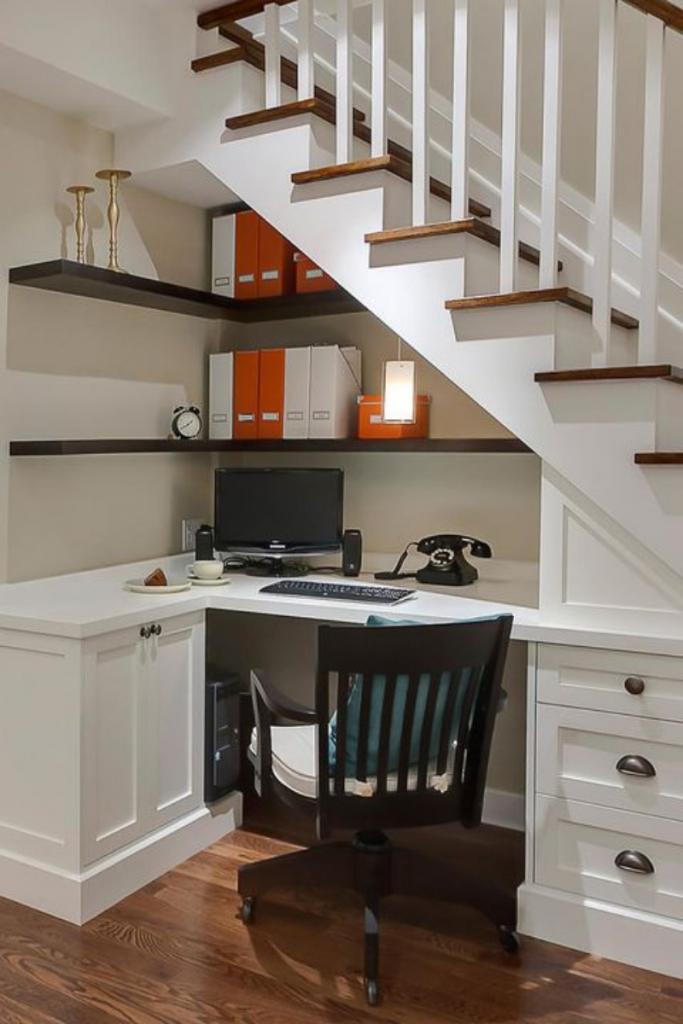
If you have a primary office space in your house and are looking to have another one, the area under your stairs can be utilized. You can put a desk in it, but one thing to take note of is that it can limit the place you can walk around in your living room area. One advantage of doing this is that if you face your stairs, you can concentrate more because there won’t be any distractions in your line of sight. So, you can use this space if you want to have more focus when you’re working; this is something you can consider doing for your under-stairs area.

How Can I Maximize my Under Stair Space?

Dog Kennel

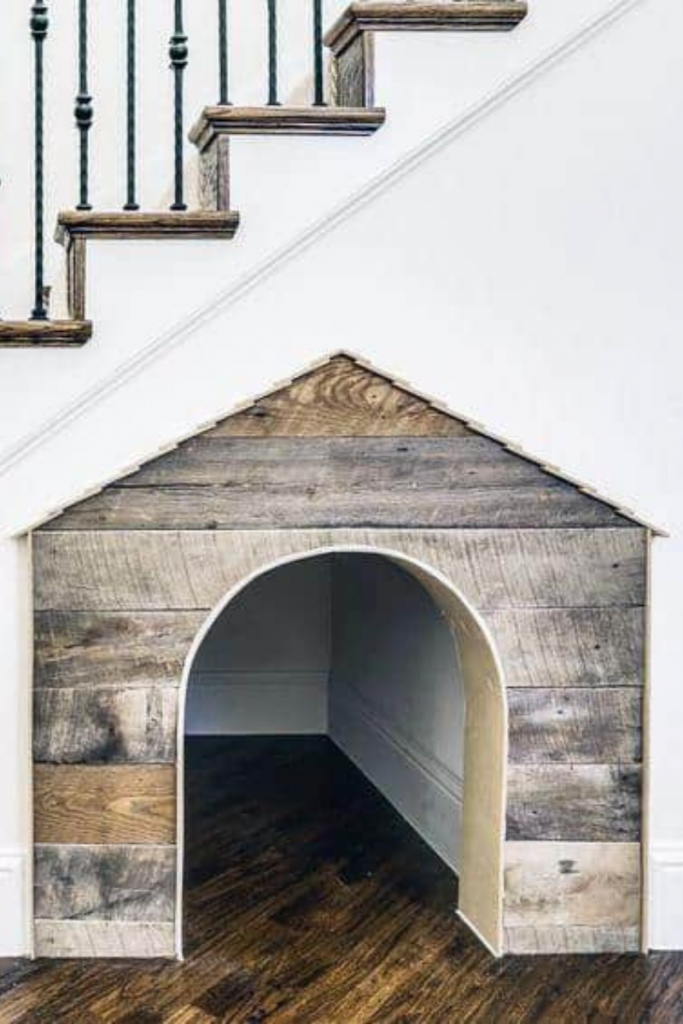
If you have furry friends in your household, your under-stair space can be used as a dog kennel. Remember, they won’t have problems fitting in this space, and so, why not use it for them. Just put a dog bed, maybe a door, or some curtains to make it feel homier for your pets. Voila, that setup can be a perfect dog kennel space for them!

How Can I Maximize my Under Stair Space?

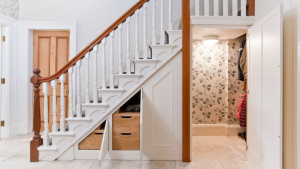
Custom Storage Space

To spice things up, one option you can consider is making a bespoke storage space. There are many things on the internet you can search for if you want a different way to utilize your extra space. Over the past few years, custom storage space has been becoming more popular. So you should think about what you want stored, maybe your books or your wine collection, but you have no space for a cellar, the accessories you wish to display instead of stored in drawers? The sky’s the limit. You can either do this yourself or hire a professional organizer, so you won’t have to worry much about how to start and go about it!

Wouldn’t you love to maximize the extra space in your house? Usually, homeowners have much stuff that they just store in a spare room or just throw around the house. Now, there are more fun and exciting ways to utilize your under-stairs space. Maybe it’s good to start by listing the things you need organized and then go from there. The possibilities are endless; you just have to start somewhere. Now go maximize that extra space you have now and get organized at the same time!


Why are wooden steps more hygienic than carpet?

With the situation the world is in right now, hygiene has become more critical than ever. People have started to be more conscious of their surroundings, especially those frequently being used or touched by others. And while it is hard to control such factors in public areas, there’s a lot we can do to make sure our homes stay more hygienic. 

It’s very common in the United States to have a carpeted staircase. After all, there is great merit in having so. According to the American Journal of Emergency Medicine, more than 1 million Americans injure themselves on stairs each year. While most cases only result in minor injuries, it is estimated that these accidents’ direct and indirect costs amount to $92 billion annually. Carpet staircases provide better cushioning and traction compared to wood. They also trap heat, which helps warm your house during the colder months.  

However, carpet staircases are very unhygienic. They harbor all kinds of dirt, dust, pet dander, pests, etc. They are also painfully hard to clean. What makes it worse is that staircases are high-traffic areas within the home, making them more susceptible to these. 

Having a wooden staircase is a more hygienic option. You may find yourself sweeping it often, but it is only because the dirt doesn’t sink deep into it, unlike on carpet. 

Think about all these things that may have been hiding under your carpet staircase: 

Bugs

Carpets can be a home for different kinds of bugs. Bed bugs, fleas, dust mites, and carpet beetles are notable ones. The environment lets them proliferate and makes them difficult to remove. You wouldn’t want your staircase to be a breeding ground of pests. They can bring you and your family all kinds of diseases.  

Molds

Another big problem with carpet is that it absorbs many fluids and moisture. If you spill any food or drink on it, it will seep deep into the carpet fibers very fast. That creates a perfect environment for growing molds. Molds can give your house an unpleasant smell, and the spores they produce can trigger allergies.  

Skin

Yes, skin. The average human sheds about 8 pounds of dead skin each year, leaving a trail of dead skin cells wherever they go. If you have a carpeted staircase, some of those probably got trapped between the fibers, where they become food for dust mites. Nasty.  

Pollen

At certain times of the year, pollen becomes a real problem for those suffering from hay fever. Carpet staircases don’t help at all. When pollen seeps into the house through the doors and windows, or even by hitching on your clothes, they may find their way to the carpet, sticking there for a long time.  

Pet dirt

If you own a pet, it’s pretty much automatic that some of their dirt gets trapped in the carpet. But even without a pet, your shoes pick up bits of animal waste just by simply walking outside. This dirt gets wiped off onto the carpet when you get home. 

These things are what’s lingering in your carpet staircase, even if you thought you’d cleaned them thoroughly. It’s challenging to be sure that your carpet staircase is completely clean; that’s why it’s more advisable to have a wooden staircase at home. You won’t have to worry about the things mentioned above with a wooden staircase. After all, there are things you can do to make your wooden staircase less accident-prone. 

So if you’re planning to switch to a wooden staircase, contact iStairs! We are your number 1 custom stair builder in Northern California! We can build a staircase for you just the way you like it. Call us at 844-STAIR-4U, and let’s get started

What Are Good Modern Design Ideas For My Glass Railings?

Modern style is still at the forefront of architecture as we enter 2021. We’re expecting to see more global, ecological, and inclusive designs this year. People now favor open spaces, natural light, and minimalism when designing their homes. One way to do this is by using glass railings on staircases. 

Glass railings offer a whole lot of advantages in both style and function. They can highlight cleanliness, minimalism, and open space. Glass allows natural light to flow inside the home. It is also more resistant to corrosion and extreme temperatures. Glass panels do not corrode when exposed to water. When it comes to safety, glass railings are top-notch too. They are not vulnerable to surface cracking, and tempered glass that is used for railing does not shatter, even when cracked. Another thing is that glass can be easily cleaned and maintained. 

Given these, many people now consider using glass stair railings inside their houses. There are a lot of options you can choose from when it comes to glass railings, and there is one that will surely fit your home’s aesthetic. 

To give you ideas, we’ve listed some of the best glass railing designs here! 

Rustic Modern Staircase with Reclaimed Timbers 

This staircase showcases the old and new. It gives a beautiful contrast between rustic and modern architecture. The reclaimed timbers bring a unique aesthetic. If you want your staircase to be an eye-catcher, this may be for you. 

Oak and Fir Mono-Stringer 

If you want your home to present a wooden look, the oak and fir mono-stringer design will suit it best. It has a clean and straightforward style. This staircase is ideal for loft-style houses. 

Open Rise Walnut Stair with Curved Glass Railing 

This staircase features a stunning curved clamped glass. The stainless steel posts match well with the oak stairs and handrail. This design creates a warm and modern atmosphere for the house. 

Steel and Concrete Mono Stringer with Glass Railing 

A combination of walnut, concrete, steel, and glass — this staircase achieved an industrial look without sacrificing cleanliness. It exemplifies contrast and modernity. It is perfect for a house that prioritizes concrete in its look. 

Miami Railing Design 

This Miami-inspired staircase uses an all-glass railing without posts. It has wood on top of the glass so you can safely hold on to the railings. The all-glass railing gives an unobstructed view of the stairs. 

Open Rise Maple Stair with Curved Railing 

Curved staircases always give a sophisticated feeling. This open rise maple staircase with curved glass railing can be a centerpiece in any home.  

Dadoed Glass Railing 

This staircase combines dadoed glass panels, mission posts, and Hampton A rail. It balances modernity and elegance. The glass panels give an airy feel. 

White Oak Open Rise Staircase with Glass Railing 

Large glass panels that are held together by stainless steel standoffs, clamps, and posts run along the side of this white oak open rise staircase. It boasts spaciousness as well as a unique, clean visual. 

White Oak Mono Stringer with Glass and Stainless Steel Railing 

Mono stringer staircases give a stylish, modern vibe. Couple it with glass railings and a stainless steel handrail, then it becomes even more beautiful. This staircase uses white oak, and a white background will make it look best. 

A Final Word About Modern Staircase Railing Designs

Are you looking to renovate your staircase or building a new house? iStairs is here for you. We’ll take care of everything and make sure your stairs will look just how you want them to be. From design to installation, iStairs is your best choice for custom staircases. Let’s talk about it! Contact us, and let’s create your dream staircase

Different Types of Stairs, Their Pros, and Cons

Stairs are an integral part of up-and-down households, buildings, and other business establishments with two floors or more. In a previous article, we talked about stairway design ideas and how to jazz up your stairs to add oomph, flavor, and personality to them — and ramp up the stairway experience (pun intended). 

This time, let’s focus on the underlying structure underneath the design we see. Let’s go through the different types of stairs you can choose from when designing your space, their advantages, and their disadvantages. 

Straight staircase 

A straight staircase is probably the most basic, common, and simple of all types of staircases. Its parts are usually available pre-cut or pre-fabricated in home stores, making it more affordable than other kinds of stairs in terms of the construction process. 

Advantages: 

  • Doesn’t need any support other than the attachments at the top and bottom 
  • Railings and handrails are easier and faster to install 
  • Easier to dress up because it is one straight line 
  • For the user, it is easier to use when going up and down 
  • Blends in easily with minimalist or simplistic interior design 

Disadvantages: 

  • For the detail-oriented with design and space, they take up more linear space 
  • They do not offer privacy 
  • Dangerous in terms of falling down because one misstep could lead to a long fall 
  • One flight can only accommodate 16 steps. More would require a central landing which will then take up more space.

 L-shaped staircase 

An L-shaped staircase is a flight of stairs with a turn, either in the middle or near the bottom towards the landing or floor. This is also a common design because it takes up less space and is easier to decorate. It is also called the “dog-legged” or “quarter turn” staircase.  

In some cases (and where there is more space), L-shaped stairs are divided into three flights and, therefore, have two turns. This is referred to as the “threefold” stair design. 

Advantages: 

  • The landing can be decorated and even be used as a functional space 
  • Takes up less space and can be placed in corners 
  • There’s a break in climbing up and going down (easier to use) 
  • They serve as a barrier between floors and offer more privacy 
  • They work with acoustics within four walls and help in sound transmission 

Disadvantages: 

  • They are more complex to build and are, therefore, more expensive 
  • They require more materials for turn and landing support 
  • Handrails are more complex to design and construct 

U-shaped staircase 

A U-shaped staircase is a staircase where you do a 180-degree-turn when you climb it at the landing, also called a switchback. Because of this, this stair design is also known as the “switchback” or “half-turn” stairs. 

Advantages: 

  • More visually appealing than a straight staircase 
  • Wider landing which you can have fun with decorating 
  • Can also be installed in corners and are, therefore, space savers 
  • The landing provides extra space and can become a useful nook 

Disadvantages: 

  • They are more difficult to build 
  • The turn may make it difficult to move furniture up and down the stairs 

Winder staircase 

Winder stairs are sort of like L-shaped stairs but — instead of a landing at the turn — there are triangular or pie-shaped steps to keep the flight continuous at the turn. There are no stops. This stair design is making a comeback along with the rising popularity of tiny homes. 

Advantages: 

  • They require less space than the L-shaped stairs and other stair styles 
  • They are visually attractive in that they showcase a “seamless” transition between floors 

Disadvantages: 

  • They are trickier to navigate especially for the accident-prone 
  • They are harder to design and construct handrails for 
  • The turn steps require support like the usual landing and will cost more 

Spiral staircase 

Did we just make you sing, “I love you more today that yesterday!”? Fun, isn’t it? The spiral staircase (namesake of the popular 1960’s pop band) is considered a novelty design that is nice to look at, perfect for small spaces, but can be quite hard to navigate. 

(Let’s put it this way: They are nice to look at but not as nice to go up or down on.) 

Advantages: 

  • It is perfect for lofts (one of those stair designs that fall under “corner stairs”) 
  • It is fun to design and nice to photograph and look at as a design feature 
  • The steps go around a central pole. Hence, this design does not require much in terms of support. 
  • It is easier to construct 

Disadvantages: 

  • Only one person at a time can go up and down 
  • Not for the accident-prone since the inner part of the steps are narrow (the solution is to make the steps wider or to increase the diameter) 
  • Hard to move furniture up and down if it is the only way up and through 

Corner staircase 

Corner stairs are commonly seen outdoors or in decks when a home or building owner wants to maximize the space leading to the entrance or deck and build a “wraparound” staircase with three sides.  

Advantages: 

  • Adds to the access points of the building or home for three-sided stairs 
  • Contributes to the uniqueness of the design in cases where steps leading up a home or establishment are built at the corner instead of the usual middle part of a facade 
  • Can require only one bannister in the middle that can be used for both sides or for each corner 

Disadvantages: 

  • May feel strange to navigate for those not used to this type of stair design 
  • Not for the accident-prone as the sharp corners may cause real damage 

Split staircase 

Nothing can give a home a grander feel than the split staircase, also known as “bifurcated” stairs. It is probably the most common stair design in movies or television series where a character is portrayed as being very rich (think “The Sound of Music” and the Von Trapp home). 

The split staircase can be designed two ways: first, with steps leading to a landing where you find steps to your left or right; second, with two sets of stairs leading up to a landing that leads to one flight of stairs going up. Very fitting for the foyer at the main entrance of a home. 

Advantages: 

  • Makes a grand statement for your home (it is not called the “grand dame of stairs” for nothing) 
  • It can serve as a point of interest in your home, depending on its design 
  • The lines add to the depth of your space and give the illusion of an even bigger space 

Disadvantages: 

  • Large means expensive, with all the support its construction requires 
  • May require a lot of space which not all can afford nowadays 

There you have it: the most common types of stairs and their advantages over the other as well as their disadvantages. Your stair design of choice is completely up to you and however, you wish to maximize your space (and decorate it, for that matter). 

Related blogs:

https://www.istairs.net/blog/how-to-choose-the-right-staircase-for-your-house/
https://www.istairs.net/blog/14-stairway-design-ideas/
https://www.istairs.net/blog/creative-staircases-for-tiny-houses%e2%80%af/

iStairs, Inc. is a residential and commercial stair contractor specializing in production homes, single homes, and remodelling, and staircase replacement.

Explore our professional staircase replacement and renovation services for residential and commercial projects.

View our Contact Us page for hours and directions. We look forward to helping you build the custom staircase of your dreams!

5 Reasons To Choose Oak: Recommendations From a Sacramento Staircase Contractor

If you’re planning a home renovation project, particularly, one that involves installing a new staircase, using oak provides a good number of benefits that other materials don’t quite offer.

From Sacramento staircase contractor iStairs, Inc., here are five reasons why you should consider using oak for your new staircase:

Attractive Appearance

Oak instantly adds character to your home with its rich color, elegant texture, and distinctive material.

It has quite an attractive wood grain, especially if it is quarter-sawn, make it a top choice among carpenters and homebuilders alike.

Strength and Durability

Oak is known for its strength, its resistance to moisture, and its durability.

It’s one of the densest naturally occurring materials, making it one of the most in-demand hardwoods in the woodwork industry.

The sturdy oak has a high tolerance to the stresses brought on by weather conditions in California, even as it changes from season to season.

Furthermore, oak contains a high amount of tannin, which makes it naturally resistant to insects and fungus alike.

Using oak for your staircase (as well as your support beams and foundations) is a sensible choice. Older homes and structures built from oak are still standing many years, decades, or even centuries later.

The oak itself gets stronger and a lot more resilient the older it becomes.

Readily available in Sacramento

There are about 600 species of oak all around the world, but California’s own Sacramento valley is particularly known for its native oak trees.

According to the Sacramento tree foundation, the three most common varieties of oak are:

  • The valley oak, which is the largest tree in Sacramento Valley.
  • The interior live oak, which is the most common evergreen oak tree in the valley.
  • The blue oak, which is the most common of all our oak trees.

There are other species of oak growing in and around Sacramento, and each species of oak is used differently because of their varying attributes.

iStairs says oak staircase parts and custom installations are at the top of the list of projects they typically handle as stair contractors.

They usually work with a fairly diverse selection of other oak wood materials as well — the natural brown oak wood, the stripy tiger oak wood, the cat’s paw pippy oak, burr oak wood, and the rare bog oak wood

Oak is Sustainable

Despite it being so common in the Sacramento Valley, we support efforts to use oak responsibly and sustainably.

Oak is classified as a premium material, and its price is largely dictated by the regulated supply in the building industry so we don’t use too much oak timber faster than we can regrow oak trees.

As such, oak is used in homebuilding as showcase pieces– in situations or home projects where the finished oak structure can be cherished and fully appreciated.

Oak is an Environmentally-Friendly Option

Oaks generally don’t require large amounts of fossil fuel to produce, nor do they require much industrial processing or chemical treatments. (Unlike brick or concrete, for example, which does go through a lot of industrial processing.)

As trees, oaks spend their entire lives absorbing carbon dioxide from the atmosphere and releasing oxygen. The carbon captured from the atmosphere is bound into the fibers of these oaks for hundreds of years. And even as you chop down a tree and build a house out of it, the carbon remains within the material permanently.

Also, oak requires little maintenance, so its cost, in the long run, is relatively much lower. All it requires is a bit of cleaning and polishing now and then, and you can count on its natural beauty to last for many years to come.

About Sacramento Staircase Contractor iStairs, Inc.

iStairs, Inc. is your one-stop shop for residential staircase finish carpentry. Ask about our stock availability for oak wood and more details on our custom stair installations.

Oak Stairs

Whether you’d prefer to do-it-yourself or have us design and install your stairs for you, we can work on just about any staircase project you have in mind.

iStairs has been proudly serving communities across Northern California, with a showroom to accommodate inquiries and appointments. Give the iStairs team a call today at 844-STAIR-4U or 916.853.1499.

Sources

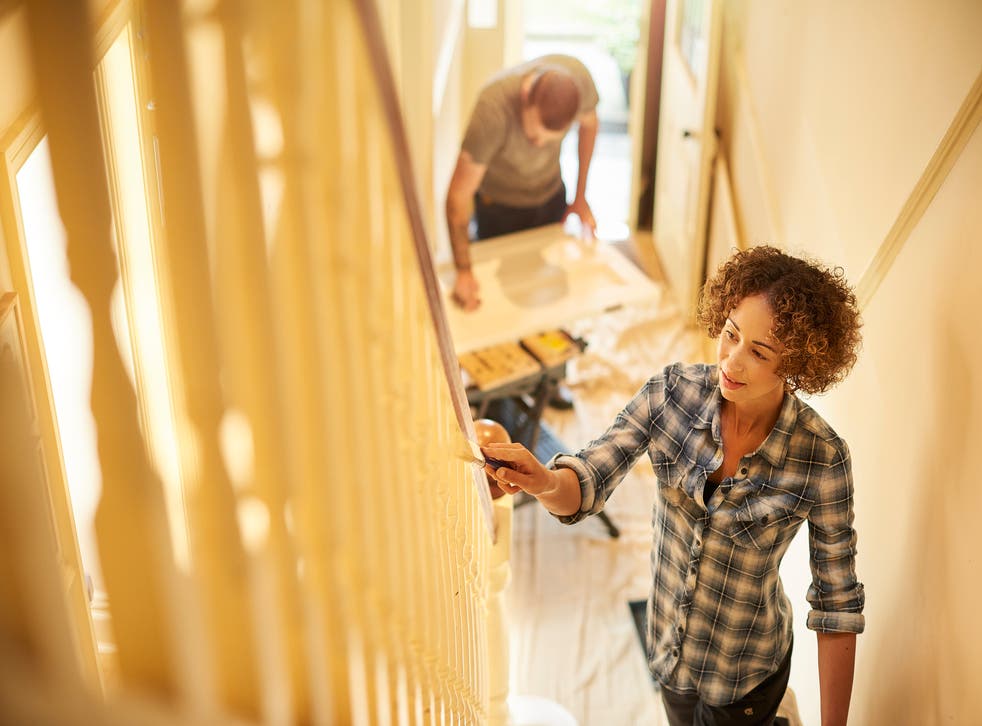
A Quick Guide to Painting Your Stairs

Painting your beloved stairs can be nerve-wracking and fun at the same time. It is fun because you can breathe new life out into an old staircase and nerve-wracking because anything can go bad starting with removing the old paint and discovering some secrets that lighting and old paint hid from you over the years.

So, here is some quick fix on how you can transform your staircase:

1.    Clean, clean, clean

Before you start painting your staircase, be sure to clean the area thoroughly. Having lumps and bumps on your staircase when you apply the first coat of paint will not make the task easier for you. 

Be sure to remove dust that has settled over the years on the corners of the steps, spider webs that have been comfortable sitting under your levels. 

2.    Peal old paint

This task is tedious. It will require you a lot of hours to do. You will scrape and even out surfaces, so it is well prepped for the first coating of your paint.

When you start peeling the paint of your old stairs, be careful not to harm the wood of your stairs. Often, when individuals want to speed up the process, they forget to be gentle on the material of their stairs, hence leaving more problems. 

Some homeowners are shocked to learn that they have to even out the surface of their stairs with sandpaper. If at this point you feel the need to call a professional to help you with the redesign you really want, you can call iStairs for an extra hand to help you execute your new plans.

3.    Choose the correct paint

All stairs are composed of different materials. Some are made from hardwood, others from steel, and there are combinations too. That said, some paints are not compatible with the material of your stairs, be sure to purchase paint that will blend well with your beloved centerpiece.

4.    Paint like a pro

There are several ways to paint stairs. There is spraying, and there is brushing, end there are rolls too. When decorating your stairs, use the method you are most comfortable with and most natural for you to manage. 

Do not attempt to spray paint your stairs if you cannot assert the thickness that you need for the area or if you have a “heavy hand.” Chances are, your stairs will have uneven hues; some areas too dark, other too light. 

5.    Bring in the experts

With years of experience under our belts your stairs will be looking new in no time. Our team can help you during your remodel.

For more details about the services we offer, do not hesitate to reach us or give us a call. Our staff would be glad to assist you.

Cost and Staircases: Choosing the Best Staircase for your Space

A lot of us want a functional, elegant, and even a show stopping staircase to top off our dream homes. However, grand staircases or designer stairs are not too friendly to the pockets. But we do not want to compromise aesthetics and quality, so here are some tips to consider when getting yourself a budget friendly yet pretty stairs.

  1. Room Space
    The key word is efficiency. Often times we either overestimate or underestimate the space allotted for our stairs. Because of this, we end up buying more materials than we can actually use. The same goes for under estimating, construction items are cheaper when bought by bulk, retailing the parts when a bolt is missing will cost the homeowners more. Look up the designs for curved flight of steps while this design does not complete the circle because of the radial space it requires, this design speaks of romance and grandeur.
  2. Design
    The complexity of a staircase is a factor to consider when shopping for one. A spiral stairs that goes around three times is more expensive than a staircase that only curves twice. The same goes for the details that would go with the hand railings. If you’d like Victorian style handrails, expect a quote made for the queen and a prize meant for the treasury of a king. Choose designs that are presentable and affordable.  You can check the Straight Stairway. This type of stairs provides a non-complex yet functional design to a home. This model works best with minimalists and can become a favorite photo spot for your guests.
  3. Materials
    Often times, people think that a steel staircase would be more expensive than those made of wood. This is not always the case because there are imported woods like the ones from the Narra tree in the Philippines that promises strength and longevity but may require breaking a bank if you’d like one for your house. For us who work under a budget, it would be best to survey the available materials first before deciding on a popular choice. Maybe you’d like to see some metal spiral stairs. This is best for homes that have limited spaces and is easy to install. This choice radiates fun and is relaxed aura- perfect for your personal turf.
  4. Labor
    Installing stairs can take days or even weeks depending on size and design complexity. For budget conscious buyers, checking for the number of days required to complete the stairs would extremely help the decision making process and planning of the project. Carpenters sometimes require an hourly rate or daily rate which can range between 50$ per hour to 75$ per hour. A  U- shaped Stairwell is composed of two L-shaped stair that requires a 180 degree turn in the landing. This is a complex design that can build interest among your guests. This is finest placed in a corner of the room to emphasize the shape. It can take some days to finish this beauty.